ホエイプロテインと植物性プロテインのどちらを選ぶかは、単なる栄養面での判断だけではありません。.
サプリメントブランドにとって、タンパク質源は、アミノ酸組成、1回分の摂取量、味、食感、アレルゲンの表示、原材料の調達、目標原価、パッケージ、そして完成品の製造工程に影響を与える可能性があります。.
ホエイプロテインは、パフォーマンスへの訴求、優れた必須アミノ酸組成、そして馴染みのあるシェイクの口当たりが優先される、従来のスポーツ栄養製品において、多くの場合、最もシンプルな出発点となります。.
植物性タンパク質は、通常、ヴィーガン、乳製品不使用、およびプラントベースの製品コンセプトにおいて、戦略的により適した選択肢となります。ただし、具体的なタンパク質源、サプライヤーの仕様、ブレンド設計、風味システム、および1回分の分量については、総合的に評価する必要があります。.
どちらのカテゴリーも、自動的に優れているというわけではありません。.
商用タンパク質製品を開発しているブランドにとって、より有益な問いは次の通りです:
この製品仕様書で求められる栄養価、消費者体験、ポジショニング、目標コスト、および製造性能を満たすことができるタンパク質システムはどれでしょうか?
このガイドでは、その判断を下す方法について説明します。.
すでに製品コンセプトをお持ちのブランド様も、当社の プロテイン・サプリメント製造 カスタムホエイ、植物性タンパク質、コラーゲン、食事代替製品、および特殊タンパク質プロジェクトに対応する能力。.
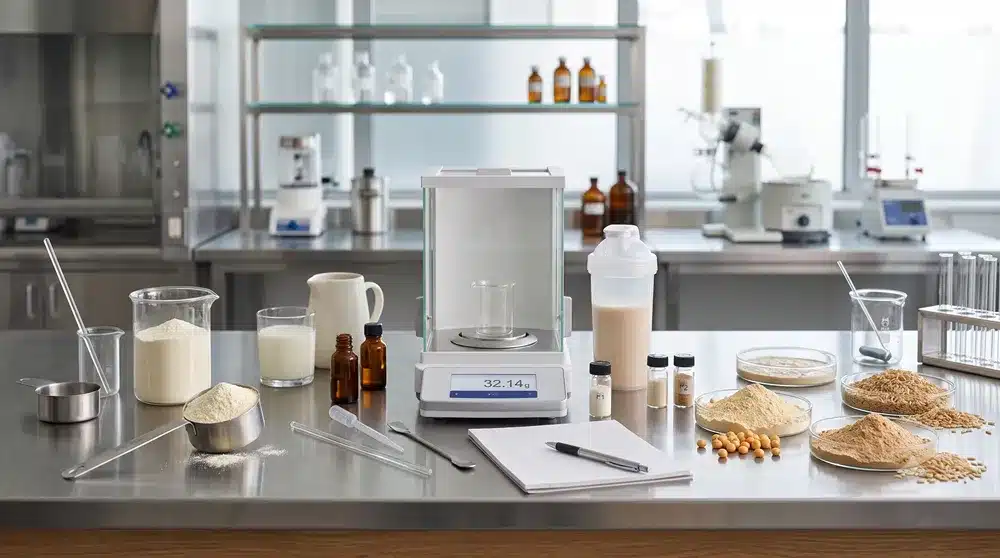
ホエイプロテインと植物性プロテインの比較一覧
| 決定要因 | ホエイプロテイン | 植物性タンパク質 | ブランドが問うべきこと |
|---|---|---|---|
| 典型的な配置 | スポーツ栄養、パフォーマンス、一般的なプロテイン | ヴィーガン、乳製品不使用、植物由来、ライフスタイル栄養学 | ターゲットとなる消費者は誰ですか? |
| タンパク質系 | WPC、WPI、加水分解物、またはホエイブレンド | エンドウ豆、米、大豆、ヘンプ、または複数の原料を配合したブレンド | 具体的にどの成分が比較されているのでしょうか? |
| アミノ酸組成 | 一般的に、必須アミノ酸とロイシンが豊富に含まれている | 原料やブレンドによって大きく異なります | 実際のアミノ酸データについては検討しましたか? |
| 味覚 | 多くの場合、従来のシェイクプロファイルと互換性があります | 供給源やサプライヤーへの依存度が高い | その基剤は、市販用量で試験されていますか? |
| テクスチャー | 馴染みのあるシェイクの食感に仕上げやすい場合が多い | テクスチャの最適化をさらに必要とする場合がある | 混ぜてからしばらく置いておくと、どうなるのでしょうか? |
| アレルゲンの位置決め | 牛乳由来の | ソースに依存する | どの主張が不可欠なのでしょうか? |
| ヴィーガンのポジショニング | いいえ | はい、その式全体が条件を満たす場合 | すべての原材料および加工用投入物は適切ですか? |
| 式の複雑さ | 多くの場合、より単純明快である | ブレンド、風味、食感の最適化が必要になる場合があります | 追加された各成分は、どのような問題を解決しているのでしょうか? |
| コスト評価 | 1人分の完成品あたりで計算する | 1人分の完成品あたりで計算する | この処方の総費用はいくらですか? |
| 最適な意思決定手法 | 仕様書+試作機+コストモデル | 仕様書+試作機+コストモデル | 実際の試作品には何が示されているのでしょうか? |
重要な点は、ブランドが実際には、「」と呼ばれる2つの抽象的なカテゴリーのどちらかを選択しているわけではないということです。 乳清 そして 植物.
それは、特定のターゲット消費者向けに、特定の仕入れ先から仕入れた特定の原材料を、特定の配合で組み合わせることです。.
その違いは重要です。.
本当の違いは、単に栄養面だけではない
ホエイプロテインと植物性プロテインの比較では、主に次のような点に焦点が当てられています:
- どちらにロイシンが多く含まれていますか?
- どちらの方が吸収が早いですか?
- どちらが良いか 筋肉の成長には?
- どちらが消化しやすいですか?
- どちらがヴィーガンですか?
- どちらがより持続可能でしょうか?
これらの質問は、消費者にとって役立つものです。.
これだけでは、商用製品の開発には不十分です。.
タンパク質原料は、栄養成分表上では魅力的に見えるかもしれませんが、完成品では問題を引き起こすことがあります。.
例えば、こうだ:
- 1回分の量が大きくなりすぎてしまう;;
- フレーバーシステムでは、ベースノートを適切に制御することができません;;
- 食感が粉っぽくなったり、過度に濃くなったりする場合;;
- 混合後に沈殿物が生成される;;
- この粉末は、泡が長持ちしすぎてしまう;;
- 目標コストを達成できない;;
- 希望するクレームが成分体系と矛盾している;;
- あるいは、小規模な試作段階では有効だった手法も、実際の製造・包装プロセスには容易には適用できない。.
そのため、タンパク質システムを評価する際には、以下の4つの質問を通じて検討することをお勧めします:
1. 栄養目標を満たしていますか?
タンパク質の含有量、アミノ酸組成、1回分の摂取量、および製品のポジショニングについて確認してください。.
2. 消費者が実際に楽しめる製品になるだろうか?
味、香り、食感、甘みのバランス、分散性、泡立ち、および沈殿性を評価する。.
3. 安定して製造することは可能か?
原材料の仕様、粉末の特性、配合要件、包装形態、品質関連文書、および生産管理について確認する。.
4. この製品は、販売目標を達成できるか?
完成した配合飼料の総コストを算出してください。単に1キログラムあたりのタンパク質価格だけでなく、その総コストを算出してください。.
優れたプロテインパウダーは、これら4つのテストすべてに合格する必要があります。.
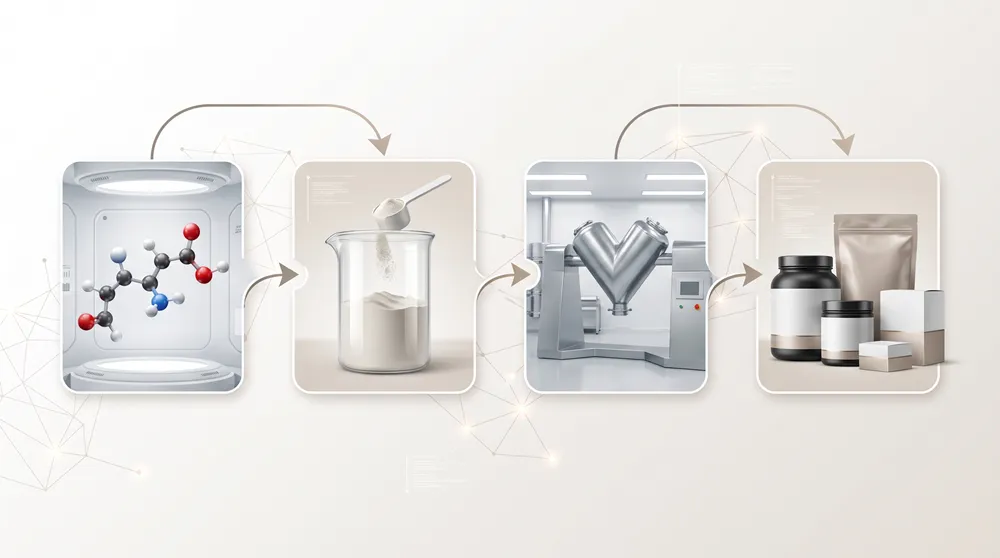
「カテゴリー名」ではなく、具体的なタンパク質原料から始めましょう
ホエイと植物由来の成分を比較すると誤解を招きやすい理由の一つは、どちらの側も単一の成分だけで構成されているわけではないからです。.
一般的なホエイプロテインの種類
ホエイ配合の粉ミルクには、以下の成分が使用されることがあります:
- ホエイプロテインコンセントレート(WPC);;
- ホエイプロテインアイソレート(WPI);;
- 加水分解ホエイプロテイン;;
- インスタント化されたホエイ原料;;
- あるいは、異なるグレードのホエイを組み合わせたもの。.
これらの原料は、タンパク質濃度、乳糖含有量、脂肪分、風味、分散性、加工特性、およびコストにおいて違いが見られることがあります。.
したがって、たとえその質問でさえも WPCかWPIか? ブランドが植物性タンパク質の導入を検討する前に、重大な影響が生じる可能性がある。.
一般的な植物性タンパク質の選択肢
植物性タンパク質は、さらに広いカテゴリーに属します。.
市販の製品には、以下の成分が含まれている場合があります:
- エンドウ豆タンパク質;;
- 米タンパク質;;
- 大豆タンパク質;;
- ヘンププロテイン;;
- カボチャの種のタンパク質;;
- ソラマメタンパク質;;
- ジャガイモタンパク質;;
- または、複数の原料由来の植物性タンパク質を配合したブレンド。.
市販のタンパク質分離物を比較した研究によると、植物性タンパク質源ごとにアミノ酸組成に有意な違いがあることが明らかになった。.
ブランドにとっての実践的な取り組み
成分の名称だけに基づいて処方を決定してはいけません。実際の成分仕様や試作品の性能に基づいて処方を決定してください。.
植物性食品と乳製品の比較についてさらに詳しく知りたい方は、当社のガイドをご覧ください。 ピー・プロテインとホエイ・プロテイン.
タンパク質の品質:マーケティング上の分類ではなく、完成した粉ミルクそのものを比較しよう
ホエイプロテインは、すべての必須アミノ酸を含み、一般的にロイシンを豊富に含むため、スポーツ栄養分野で広く利用されています。.
しかし、このことから、「あらゆる植物性タンパク質システムが、パフォーマンス栄養学の観点から自動的に不適切である」という結論を導き出してはならない。.
植物性タンパク質によってアミノ酸組成は異なり、配合戦略によって完成品の栄養特性は変化する。.
例えば、2024年に行われた無作為化クロスオーバー試験では、ホエイプロテインアイソレートと植物由来プロテインブレンドを比較したところ、研究条件下において、ロイシンを添加した植物由来ブレンドはホエイと同程度の筋肉タンパク質合成を促進したのに対し、ロイシンを添加していない植物由来ブレンドではその反応が低かったことが明らかになりました。この研究は、以下のサイトから閲覧可能です。 PubMed.
これは 違う つまり、TPowderはホエイと同等です。.
これは、製品開発者にとって、さらに有益な意味を持ちます:
タンパク質源も重要ですが、摂取量、アミノ酸組成、ブレンドの設計、そして完全な配合設計も同様に重要です。.
タンパク質システムを評価する際、ブランドは以下の点を検討すべきです:
- 実際のタンパク質定量法とはどのようなものですか?
- アミノ酸組成とは何ですか?
- 1食分あたり、どのくらいのタンパク質が含まれていますか?
- これは単一原料由来のタンパク質ですか、それともブレンドですか?
- この配合には、追加のアミノ酸が含まれていますか?
- どのような製品ポジショニングを目指しているのでしょうか?
- 入手可能な証拠は、意図された伝達内容を裏付けているか?
正しい分析単位は、完成した配合です。.
なぜサプライヤーのCOAが、インターネット上の比較表よりも重要なのか
一般的な比較表は、初期の調査に役立ちます。.
これだけでは、原材料の承認には不十分です。.
タンパク質原料を承認する前に、ブランド側は、該当する場合は以下を含む、関連するサプライヤーの書類を確認する必要があります:
- 分析証明書;;
- 仕様書;;
- タンパク質含有量および試験方法;;
- アミノ酸組成;;
- 水分規格;;
- 微生物学的基準値および検査結果;;
- 重金属の分析仕様および結果;;
- アレルゲン表示;;
- 原産国;;
- 原材料の調達先;;
- 関連する資格;;
- 粒子情報;;
- かさ密度;;
- また、入手可能な場合は、溶解性または分散性のデータ。.
具体的にどのような書類が必要かは、原材料、ターゲット市場、製品の効能表示、および製造体制によって異なります。.
その後、ドキュメントを実際のプロトタイプ試験と結びつける必要があります。.
優れた仕様書があっても、必ずしも完成したシェイクが成功するとは限りません。.
同様に、低濃度では問題ないように見えるタンパク質でも、高タンパク質の市販調製乳に必要な用量で使用すると、異なる挙動を示すことがあります。.
個々の植物由来の原料を比較したいブランドは、当社のガイドをご覧ください。 ライス・プロテインとエンドウ豆プロテイン そして ライス・プロテインとヘンプ・プロテイン.
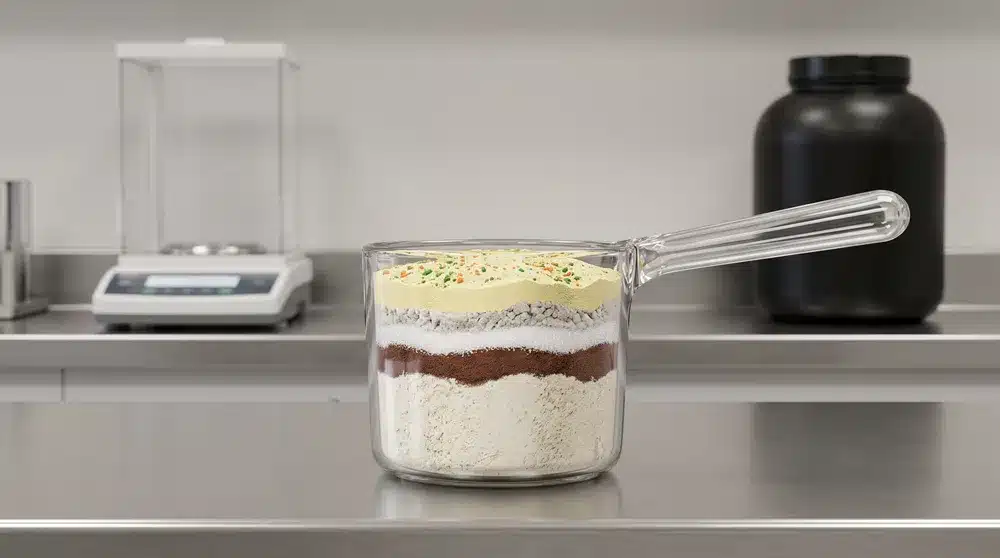
プロテインパウダーに含まれる隠れた固形分
消費者の目には次のように映ります:
1食あたり25 gのタンパク質。.
処方開発者は次のように捉えます:
**タンパク質ベース**
- フレーバーシステム
- 甘味料システム
- テクスチャシステム
- 分散サポート
- 機能性成分
- ビタミンおよびミネラル(該当する場合)
- その他の配合成分
= 完成した1人分の合計**
これが隠された 固形分収支 その式の。.
2つのタンパク質原料のタンパク質濃度が異なると仮定する。.
同じ標的タンパク質を投与するためには、一方の方が他方よりも多くの粉末を必要とする場合があります。.
これにより、以下の点に影響が出る可能性があります:
- 1食分の総重量;;
- スクープの容量;;
- 1容器あたりの分量;;
- パッケージサイズ;
- 風味の強さ;;
- 甘みのバランス;;
- 粘度;;
- 口当たり;;
- 粉末の流れ;;
- および粉ミルクの費用。.
したがって、タンパク質の含有率は決して単独で評価すべきではありません。.
GENSEIフォーミュラの負荷率
試作処方の比較を容易にするため、GENSEIではシンプルな内部分析フレームワークの利用を推奨しています。.
「フォーミュラ・ロード・レシオ」は、プロトタイプの評価を行うためのGENSEI独自の比較指標です。これは、公式な規制指標や業界標準ではありません。.
式による負荷率
1食分の完成品の総重量 ÷ 1食分あたりの表示タンパク質含有量
2つの架空の式を考えてみましょう。.
フォーミュラA
- 盛り付け後の重量:32 g
- 表示タンパク質:25 g
- 計算式による負荷率:1.28
フォーミュラB
- 盛り付け後の重量:39 g
- 表示タンパク質:25 g
- 計算式による負荷率:1.56
比率がより高いからといって、必ずしもフォーミュラBが劣るわけではない。.
例えば、食事代替品や機能性栄養パウダーには、食物繊維、炭水化物、脂質、ミネラル、その他の有効成分が意図的に配合されている場合があります。.
この比率の目的は、より良い質問をすることにある:
- なぜ1食分の総量が多いのですか?
- この追加の重量は、栄養上の意図によるものなのでしょうか?
- 成分分析のため、タンパク質ベースをさらに追加する必要があるのでしょうか?
- 風味補正システムによって、材料が大幅に増えているのでしょうか?
- この製品は、希望する包装形式と依然として互換性がありますか?
- 1回分の摂取量は、消費者の体験にどのような影響を与えるのでしょうか?
- このより大規模な方式でも、目標コストは達成できるのでしょうか?
目的は、単に最も低い比率を出すことだけではありません。.
その目的は、理解することにある この配合の固形分予算を何が消費しているのか、そしてそのトレードオフが商業的に正当化されるかどうか.
1キログラムあたりのコストと1人前あたりのコストの比較
タンパク質の調達において、最も大きな間違いの一つは、原材料を1キログラムあたりの価格だけで比較してしまうことです。.
安価なタンパク質原料だからといって、必ずしも完成品のコストが安くなるわけではありません。.
基本的な計算は、次のように始まります:
1人分の材料費 = 材料の使用量(グラム) × 1キログラムあたりの価格 ÷ 1,000
しかし、真の商業的な比較を行うには、さらに踏み込んだ検討が必要です。.
完全な式には、以下の要素が含まれる場合があります:
- タンパク質ベース;;
- 副次的なタンパク質源;;
- フレーバーシステム;;
- 甘味料;;
- マスキングシステム;;
- テクスチャシステム;;
- 機能性成分;;
- 製造;;
- 品質検査;;
- 包装;;
- 貨物輸送および物流。.
したがって、正しいビジネス上の問いは、次のようなものではありません:
1キログラムあたりの価格が安いのはどちらのタンパク質ですか?
それは:
どの完全タンパク質システムが、1食分あたりのコストを許容範囲内に抑えつつ、ターゲット製品仕様を満たすことができるでしょうか?
当サイトのガイドでは プロテインパウダーの価格が変動している理由 原材料、加工要件、フレーバーシステム、試験、包装、輸送費、および最小発注数量(MOQ)に関する考慮事項の相互関係について解説しています。.
カスタムプロジェクトの場合、これらの変数は以下の期間中に評価される必要があります。 サプリメントの配合開発 パッケージや小売価格がすでに決定された後ではなく、.
味と食感:想定される市販用量での試験
次のような発言:
ホエイはクリーミーです。.
そして:
植物性タンパク質には土の香りがする。.
その範囲が広すぎるため、市販製品の配合指針としては不適切である。.
感覚行動は、以下のような変数に左右されます:
- タンパク質源;;
- サプライヤー;;
- 学年;;
- 処理方法;;
- 濃度;;
- 水量;;
- フレーバーの方向性;;
- 甘味料システム;;
- その他の原材料;;
- および調理方法。.
正しい検査方法は、単に乾燥した原料の匂いを嗅ぐことだけではありません。.
想定される消費者の使用条件下で、実用的なプロトタイプを評価している。.
即席混合用粉末の場合、以下の点を管理する必要があるかもしれません:
- 1回分の量;;
- 水量;;
- 水温;;
- シェーカーボトル;;
- 振とう時間;;
- および評価時点。.
参考になる観察結果としては、次のようなものがある:
- 初期分散;;
- 目に見える凝集;;
- 振った直後の泡;;
- 泡の持続性;;
- 静置後の沈殿;;
- 粘度;;
- 粉っぽさ;;
- 荒々しさ;;
- 苦味;;
- 土のような、あるいは豆のような香り;;
- 酪農メモ;;
- 余韻;;
- 甘みのバランス;;
- 全体的な受容度。.
加工条件は、植物性タンパク質システムの機能的性能に大きな影響を与える可能性があります。例えば、エンドウ豆と米のタンパク質ブレンドに関する研究では、加工条件の違いによって、溶解性をはじめとする機能特性に変化が生じることが示されています。.
タンパク質源だけでは、完成品の全体的な食感を予測することはできません。実際の配合において、実際の原料を用いて試験を行う必要があります。**
これは、以下の方法を通じてフレーバー付きプロテインパウダー、食事代替品、機能性ドリンクミックスを開発しているブランドにとって特に重要です。 粉末サプリメントメーカー.
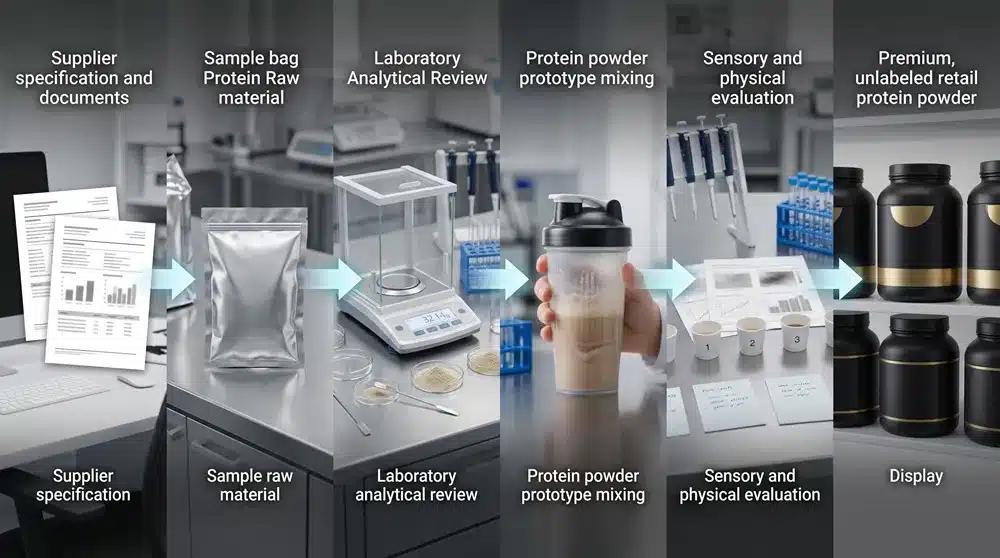
実用的なマッチド・プロテイン・ベンチテスト
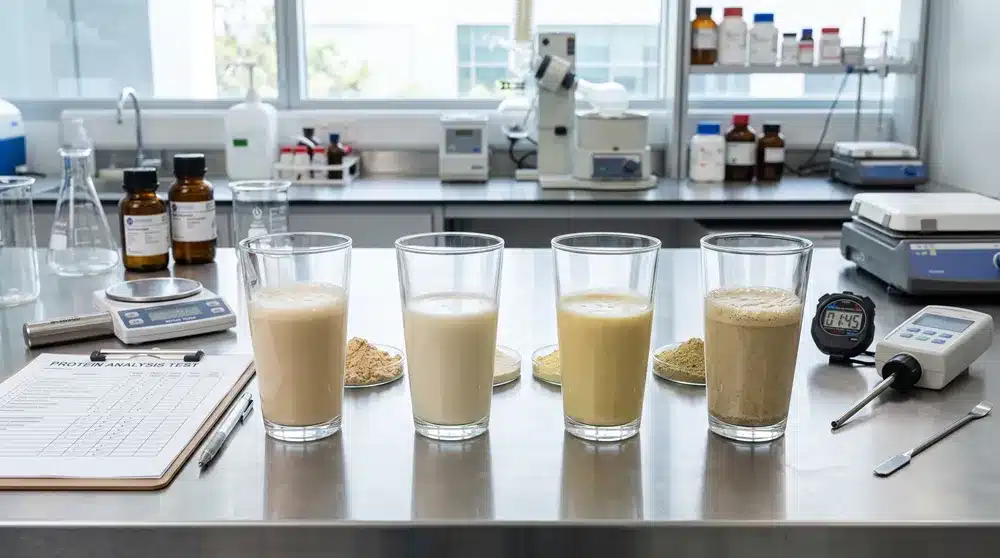
ホエイプロテインと植物性プロテインのシステムを比較するブランドは、理論上の成分データのみに頼るのではなく、管理された条件下でのプロトタイプ比較を行うべきである。.
簡単な比較例としては、次のようなものがあります:
- システムA:ホエイプロテインコンセントレート配合;;
- システムB:ホエイプロテインアイソレート配合;;
- システムC:エンドウ豆タンパク質分離物を配合した粉ミルク;;
- システムD:エンドウ豆と米のタンパク質ブレンド。.
具体的な比較対象は、製品概要に基づいて選択する必要があります。.
ステップ1:共通の商業目標を設定する
例えば、すべての配合は、1食分あたりの宣言されたタンパク質含有量を同じ値に合わせている場合があります。.
目的は、これらの式を化学的に同一にすることではありません。.
目的は、同じ製品目標を達成するためのさまざまなアプローチを比較することです。.
ステップ2:調製条件の標準化
条件を統一する:
- 同じ液量;;
- 液温が同じ場合;;
- 同じ混合装置;;
- 同じ振とう時間;;
- 同じ休息期間;;
- 同じ評価スケジュール。.
ステップ3:身体能力の記録
プロジェクトに応じて、以下の点を評価してください:
- タンパク質ベースの投与量;;
- 1人分の完成品の総重量;;
- 式による負荷率;;
- 分散時間;;
- 凝集;;
- フォーム;;
- 泡の持続性;;
- 沈降;;
- 粘度。.
ステップ4:体系的な感覚評価を行う
各プロトタイプについて、次のような要素に基づき、一貫性を持って評価を行ってください:
- 香り;;
- 苦味;;
- 土のような、あるいは豆のような香り;;
- 粉っぽさ;;
- 荒々しさ;;
- 厚さ;;
- 甘みのバランス;;
- 余韻;;
- 全体的な受容度。.
ステップ 5:数式レベルの経済性を算出する
比較:
- タンパク質原料のコスト;;
- フレーバーコスト;;
- 甘味料のコスト;;
- テクスチャおよびマスキングシステムのコスト;;
- 1食あたりの総材料費。.
最終的な比較表は、次のような形になるはずです:
| システム | タンパク質のターゲット | 1人分の量 | 式による負荷率 | 主な感覚面での課題 | 1食あたりの原価 |
|---|---|---|---|---|---|
| WPCシステム | 同じターゲット | 試験結果 | 算出済み | 試験結果 | 算出済み |
| WPIシステム | 同じターゲット | 試験結果 | 算出済み | 試験結果 | 算出済み |
| ピー・システム | 同じターゲット | 試験結果 | 算出済み | 試験結果 | 算出済み |
| 植物ブレンド | 同じターゲット | 試験結果 | 算出済み | 試験結果 | 算出済み |
このアプローチにより、単なる原材料に関する議論が、実際の製品開発における意思決定へと発展する。.
ホエイプロテインが通常、より良い出発点となる場合
ホエイプロテインは、製品のコンセプトが以下の要素を中心に構築されている場合、まず検討すべき選択肢となることがよくあります:
- 主流のスポーツ栄養学;;
- パフォーマンスのポジショニング;;
- 優れた必須アミノ酸組成;;
- 消費者が抱く一般的な期待;;
- 定番のプロテインシェイクのフレーバー;;
- 比較的高いタンパク質密度。.
しかし、ホエイを選ぶことは、配合の第一歩に過ぎません。.
同ブランドは、まだ決定を下す必要があります:
- WPC、WPI、加水分解物、それともブレンド?
- どのタンパク質を標的とするのか?
- 1食分の量はどれくらいですか?
- どのような味の方向性ですか?
- どの価格帯ですか?
- どのような資格ですか?
- どのようなパッケージ形式ですか?
- どのサプライヤーおよび品質関連の文書ですか?
牛乳のアレルゲン問題
ホエイは牛乳から抽出されます。米国食品医薬品局(FDA)はホエイを乳タンパク質と定義しており、牛乳は米国において表示義務の対象となる主要な食品アレルゲンの一つです。米国市場をターゲットとするブランドは、関連する FDAの食品アレルゲンに関するガイダンス.
ホエイプロテインアイソレートは、一部のホエイコンセントレート製品に含まれている場合がありますが、乳糖含有量が少ないからといって、ホエイが乳由来でない成分になるわけではありません。.
また、牛乳アレルギーと乳糖不耐症は異なる問題であり、これらを同じものとして扱うべきではありません。.
ホエイの魅力が薄れるとき
以下の場合は、ホエイシステムが適さない可能性があります:
- ヴィーガンとしてのポジショニングは不可欠です;;
- 「乳製品不使用」という位置づけは不可欠です;;
- このブランドには、これまでとは異なる原材料のストーリーが必要であり、;
- 対象となる消費者は、乳製品を積極的に避けている;;
- あるいは、別のタンパク質プラットフォームの方が、意図した製品コンセプトをより適切に実現できる場合。.
従来の乳タンパク質以外の分野に位置づけられる製品については、各ブランドは以下の点についても評価を行う可能性がある 分離牛肉プロテインと乳清の比較 または ボーンブロス・プロテインとホエイの比較.
植物性タンパク質の方が通常はより良い出発点となる場合
植物性タンパク質は、製品のコンセプトが以下の要素に依存する場合、一般的に理にかなった選択肢となります:
- ヴィーガンのポジショニング;;
- 植物由来という位置づけ;;
- 乳製品不使用製品の戦略;;
- 代替スポーツ栄養;;
- ライフスタイルと栄養;;
- 植物由来の食事代替品。.
その最大の強みは柔軟性です。.
しかし、柔軟性には複雑さも伴う。.
1. 植物性タンパク質は単一の成分ではない
エンドウ豆タンパク質配合の粉ミルクと米タンパク質配合の粉ミルクは、同等のものとして扱ってはなりません。.
また、異なるサプライヤーから調達した2つのエンドウ豆タンパク質原料について、その性能が自動的に同一であると想定すべきではありません。.
2. アミノ酸の設計には注意が必要である
植物性タンパク質源は、アミノ酸組成がそれぞれ異なります。栄養面の最適化が重要な場合は、一般的な仮定に頼るのではなく、実際のデータを評価すべきです。.
3. 風味は、タンパク質源やその等級によって異なるため、配合担当者は以下の点を考慮する必要があるかもしれません:
- 土の香り;;
- beanyのメモ;;
- 苦味;;
- シリアルのような香り;;
- 長く残る余韻。.
具体的な強度は、成分によって異なります。.
4. 質感が製品の制約要因となり得る
想定される課題としては、次のようなものがあります:
- 粉っぽさ;;
- 荒々しさ;;
- 粘度;;
- 沈降;;
- 不完全な分散。.
これらは、投与予定量で測定する必要があります。.
5. ブレンドは、明確に定義された問題を解決すべきである
複数の原料をブレンドすることで、アミノ酸組成全体の改善や、特定のポジショニング目標の達成に役立つ可能性があります。.
しかし、タンパク質源を追加すると、考慮すべき要素も増えることになる。.
「5種類の植物性タンパク質」という表現が、1種類だけの場合よりも印象的に聞こえるという理由だけで、ブレンド製品が存在すべきではない。.
それぞれの材料には、それぞれ役割があるべきです。.
最も一般的な戦略の一つに関する詳細については、当社のガイドをご覧ください。 エンドウ豆と玄米のプロテイン・パウダー.
植物性タンパク質のブレンドをより合理的に設計する方法
市販の粉ミルクすべてに自動的に当てはまる、普遍的な「エンドウ豆と米の比率」というものはありません。.
より良いワークフローは次のとおりです:
ステップ1:製品概要を定義する
セット:
- ターゲットとなる消費者;;
- 1食分あたりのタンパク質;;
- 1食分の目安;;
- 風味;;
- 主張;;
- 包装;;
- 目標コスト。.
ステップ 2:成分ごとのデータを確認する
各候補タンパク質について、以下の点を確認してください:
- タンパク質定量;
- アミノ酸情報;;
- 官能特性;;
- 関連する物理的性質;;
- 品質仕様;;
- 認証;;
- 価格設定;;
- 最小注文数量(MOQ);;
- リードタイム。.
ステップ3:実際の制約を特定する
そのブレンドがどのような問題を解決すべきか、尋ねてみてください。.
問題は次の通りですか:
- アミノ酸バランス?
- 味は?
- 質感?
- タンパク質密度?
- 費用は?
- 供給の多様化?
- マーケティング・ポジショニングとは?
ブレンドの設計は、その制約に対応するものでなければならない。.
ステップ4:現実的な比率を複数試作する
数学的には魅力的に見える比率でも、味覚的には最良の結果をもたらさない場合があります。.
現実的な選択肢をいくつか試してみてください。.
ステップ 5:完成した数式を再計算する
配合比率を変更した後は、再度確認してください:
- タンパク質送達;;
- アミノ酸の寄与;;
- 1食分の総重量;;
- 式による負荷率;;
- 味;;
- テクスチャ;
- 身体能力;;
- 1人分の費用。.
正しいワークフローは以下の通りです:
モデル → プロトタイプ → テスト → 調整 → 再計算 → 検証
注:
人気の比率を選んで → それをコピーして → 製造する。.
あなたのブランドはどのタンパク質を選ぶべきでしょうか?
次のような場合は、まずホエイを選びましょう:
このプロジェクトは、以下の点に重点を置いています:
- 従来のスポーツ栄養学;;
- 一般的なジムの利用者;;
- おなじみのシェイクの位置;;
- EAAおよびロイシンの配置が際立っている;;
- 定番のチョコレートやバニラ、あるいはそれらを基にしたプロテインシェイクのコンセプト。.
その後、開発チームは、適切なホエイのグレード、添加量、フレーバーシステム、包装形態、および目標コストを決定すべきである。.
次のような場合は、まず植物性タンパク質を選びましょう:
この製品のコンセプトには、以下の要件が必要です:
- ヴィーガンのポジショニング;;
- 植物由来という位置づけ;;
- 乳製品の摂取を控えること;;
- オルタナティブなライフスタイルと栄養;;
- ヴィーガンのスポーツ栄養。.
次の選択は、単に「植物性タンパク質」というだけのものではありません。“
チームは以下を決定しなければならない:
- どのソースか;;
- 単一原料またはブレンド;;
- どのようなアミノ酸組成か;;
- 投与量は?;
- どんな味?;
- texture target とは;;
- どのようなコスト目標か。.
次のような場合は、コラーゲンや特殊なタンパク質を検討してみてください:
この製品は、主に以下の分野をターゲットとしています:
- 美容栄養;;
- コラーゲンの補給;;
- 関節サポート;;
- 結合組織の位置決め;;
- アクティブ・エイジングの概念;;
- 特殊なタンパク質の種類。.
コラーゲンペプチドは、アミノ酸組成や製品の位置づけが異なるため、ホエイプロテインや植物性タンパク質と単に同等のものとして扱うべきではありません。.
この方向性を検討しているブランドは、当社の ホエイプロテイン vs コラーゲンペプチド 比較。.
タンパク質配合の決定に関するシンプルなフレームワーク
タンパク質源を選ぶ前に、以下の7つの質問に答えてください。.
1. ターゲットとなる消費者は誰ですか?
ヴィーガンであるという必須条件により、ホエイは使用されません。.
ホエイを主成分とする従来のスポーツ栄養製品に関する概要は、ライフスタイル・ウェルネス製品とは異なる方向性を示す可能性がある。.
2. その製品は何を伝える必要があるか?
まず、配置を定義します:
- スポーツパフォーマンス;;
- ヴィーガン;;
- 乳製品不使用;;
- 高タンパク;;
- 食事代替品;;
- アクティブ・エイジング;;
- 美容と栄養。.
3. 標的タンパク質とは何ですか?
これは、原材料の配合量、1食分の量、風味の負担、包装、およびコストに影響を及ぼします。.
4. 飲酒経験はどの程度必要ですか?
濃厚な食事代替ドリンクと、あっさりとしたプロテインドリンクでは、その配合上の課題が異なります。.
定義:
- 水量;;
- テクスチャ;
- 甘さ;;
- 風味の強さ;;
- 混合性の期待値。.
5. 目標コストはいくらですか?
完成した式全体を計算してください。.
6. パッケージ形式はどのようなものですか?
容器に入った大容量の粉末は、小袋や小型の携帯用パッケージとは物理的な制約が異なります。.
多量のタンパク質を摂取する必要がある場合、タンパク質を多く含む製品は一般的に粉末タイプの方が適しています。詳細については、以下をご覧ください。 プロテインカプセルとパウダーの比較.
7. プロトタイプは何を示しているのか?
最終的な決定には、以下の要素を総合的に考慮すべきである:
- 仕様書の検討;;
- サプライヤーの書類;;
- 栄養モデリング;;
- 物理試験;;
- 官能評価;;
- コストモデリング。.
最終的な決定権を持つべきなのは、そのカテゴリーの固定観念ではなく、プロトタイプであるべきだ。.
タンパク質原料を承認する前に確認すべき事項
販売承認を得る前に、次の点を確認してください:
栄養成分および仕様
- 現在のタンパク質定量法はどのようなものですか?
- どのような試験方法が用いられていますか?
- アミノ酸のデータはありますか?
- 最終製品の目標値に達するには、どの程度の投与量が必要ですか?
感覚および身体能力
- 市販される予定の用量で、このタンパク質はどのような味がするのでしょうか?
- どのような不協和音が現れるか?
- それはどのように拡散するのですか?
- ダマになりますか?
- どのくらいの泡が出ますか?
- 堆積物は形成されるのでしょうか?
- 粘度は濃度によってどのように変化するのでしょうか?
業務用供給
- 最小注文数量(MOQ)はどれくらいですか?
- リードタイムはどのくらいですか?
- 供給はどの程度安定しているのでしょうか?
- 2つ目の信頼できる情報源は必要ですか?
- この処方は、成分の置き換えに対してどの程度敏感ですか?
品質に関する文書
- 現在のCOAは入手可能ですか?
- 関連する微生物学的検査結果は入手可能ですか?
- 必要とされる場合、汚染物質の検査結果は入手可能ですか?
- どのようなアレルゲンに関する資料が提供されていますか?
- その主張を裏付ける認定はどのようなものがありますか?
- 原産国は明記されていますか?
ブランドがパッケージの在庫、最終的なマーケティングメッセージ、あるいは確定した発売スケジュールに多額の投資を行う前に、これらの疑問点について答えを出しておく必要があります。.
ホエイプロテイン対植物性プロテイン:サプリメントブランドの最終評価
絶対的な勝者など存在しない。.
ホエイプロテインは、アミノ酸組成、一般消費者の認知度、そして従来のプロテインシェイクの飲み心地が重視される、従来のスポーツ栄養製品において、多くの場合、より有力な出発点となります。.
製品のコンセプトにおいて、ヴィーガン、プラントベース、または乳製品不使用という位置づけが中心となる場合、植物性タンパク質は一般的に戦略的な適合性が高いと言えます。.
しかし、カテゴリーの決定はあくまで第一歩に過ぎません。.
最終的な選択にあたっては、以下の点を考慮すべきです:
タンパク質源
→ サプライヤー仕様書
→ アミノ酸データ
→ タンパク質の摂取量
→ 数式の合計読み込み量
→ 味と食感
→ 混合性
→ 製造時のフィット感
→ 1人分の完成品あたりのコスト
→ ブランドポジショニング
最も重要な教訓はこれです:
一般的な栄養比較で上位にランクインしているという理由だけで、タンパク質源を選んではいけません。仕様書から完成品に至るまでの全工程を確実にクリアできるタンパク質システムを選んでください。.
GENSEIは、サプリメントブランドに対し、タンパク質原料の評価、配合要件の検討、オーダーメイドの粉末処方の開発、サンプル提供の手配、および審査に合格したプロジェクトの商業生産への移行を支援しています。.
プロジェクトの基盤がホエイ、エンドウ豆、米、植物性タンパク質のブレンド、コラーゲンペプチド、あるいはその他の特殊なタンパク質戦略のいずれであっても、最良の出発点は明確な製品概要です。.
プロテインパウダーのプロジェクトをご計画中ですか?対象となる消費者層、1回分あたりのタンパク質含有量の目標値、フレーバーの方向性、謳い文句、パッケージ形態、予想注文数量、およびターゲット市場についてお知らせください。当社のチームが、最適な配合と製造方法の検討をお手伝いいたします。.
参考文献
- Gorissen, S. H. M. ほか (2018). 市販の植物性タンパク質分離物のタンパク質含有量およびアミノ酸組成。.
パブコメ https://pubmed.ncbi.nlm.nih.gov/30167963/ - Lim, C. ほか (2024)。. 若年男性および女性を対象とした、ロイシン添加の有無にかかわらず植物由来のタンパク質分離物とホエイプロテインを摂取した場合の筋肉タンパク質合成の比較。. 『Current Developments in Nutrition』, 8(6), 103769.
パブコメ https://pubmed.ncbi.nlm.nih.gov/38846451/ - van der Heijden, I. ほか (2024). 植物性タンパク質ブレンドの摂取は、レジスタンストレーニングを習慣としている成人において、ホエイと同等の効果で運動後の筋原線維タンパク質合成速度を促進する。. 『Medicine & Science in Sports & Exercise』.
全文: https://pmc.ncbi.nlm.nih.gov/articles/PMC11810040/ - Pietrysiak, E., Smith, D. M., Smith, B. M., & Ganjyal, G. M. (2018). 直接蒸気注入処理によるエンドウ豆・米タンパク質分離物ブレンドの機能性向上。. 『Food Chemistry』, 243, 338–344.
パブコメ https://pubmed.ncbi.nlm.nih.gov/29146346/ - 米国国立衛生研究所(NIH)、栄養補助食品局。. 運動および運動能力向上のための栄養補助食品:医療従事者向けファクトシート。.
https://ods.od.nih.gov/factsheets/ExerciseAndAthleticPerformance-HealthProfessional/ - 米国食品医薬品局(FDA)。. 食物アレルギーをお持ちですか? 表示をよく読んでください。.
https://www.fda.gov/consumers/consumer-updates/have-food-allergies-read-label
ウォーレン・ワン氏は、栄養補助食品のサプライチェーンにおいて豊富な経験を持つベテランの専門家であり、コラーゲンペプチド、骨スープ由来タンパク質、ケラチンといった主要成分の研究、開発、工程管理、およびグローバルな調達において、豊富な実務経験を有しています。 本コラムの執筆者として、彼はマーケティング的な装いを剥ぎ取り、難解な成分科学や製造品質管理基準を、分かりやすい本格的な科学普及記事へと変換することに尽力しています。これにより、読者がラベルの裏にある真実を理解し、より合理的な健康に関する選択を行えるよう支援しています。.