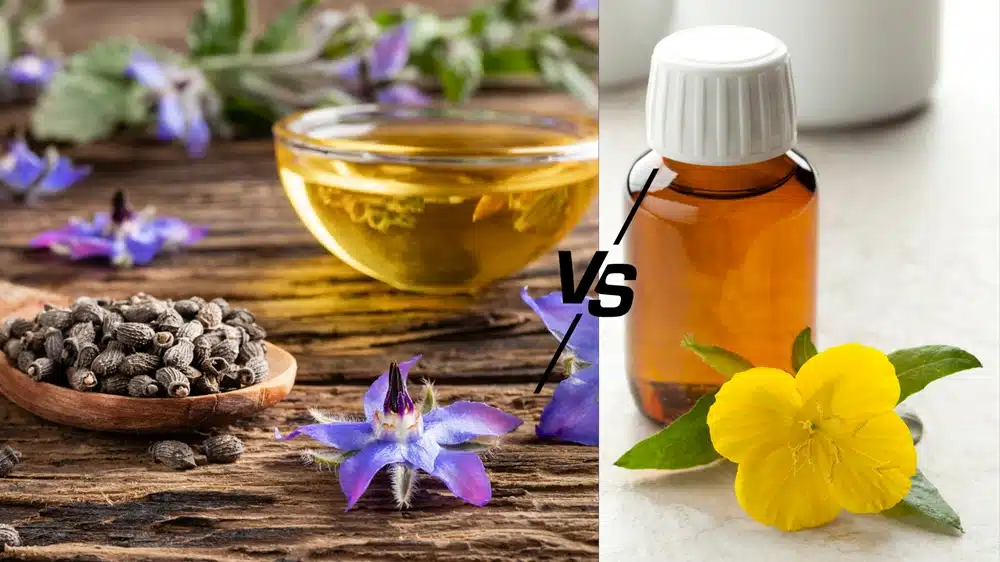
Quick Answer: Is evening primrose oil good for hair?
Evening primrose oil (EPO) is a plant seed oil naturally rich in gamma-linolenic acid (GLA), an omega-6 fatty acid used in skin, scalp, and beauty-from-within supplement positioning. For hair-focused products, EPO is best understood as a scalp-support and fatty-acid ingredient, not a guaranteed hair regrowth treatment.
For consumers, EPO may help support a healthier scalp environment, especially when dryness, irritation, or poor fatty-acid intake is part of the concern. However, it should not be presented as a cure for hair loss, alopecia, or hormonal hair thinning.
For supplement brands, EPO is more valuable as a formulation ingredient for hair-support softgels, beauty supplements, women’s wellness products, and scalp-care oil blends. The key is to verify GLA content, oxidation status, extraction method, COA quality, packaging protection, and claim language before turning it into a finished product.
Dầu hoa anh thảo là gì?
Buổi tối dầu hoa anh thảo is extracted from the seeds of Oenothera biennis. Its main nutritional value comes from linoleic acid and gamma-linolenic acid (GLA), a fatty acid often used in skin-barrier, scalp-comfort, and women’s wellness formulations.
In supplement manufacturing, EPO is usually supplied as a liquid oil for softgel filling or as an ingredient in topical oil blends. A high-quality EPO ingredient should disclose its GLA percentage, extraction method, peroxide value, acid value, country of origin, storage conditions, and COA results.
For hair-focused products, the question is not simply whether EPO is “good for hair.” The more useful question is whether the oil is standardized, stable, properly packaged, and positioned with realistic claims.
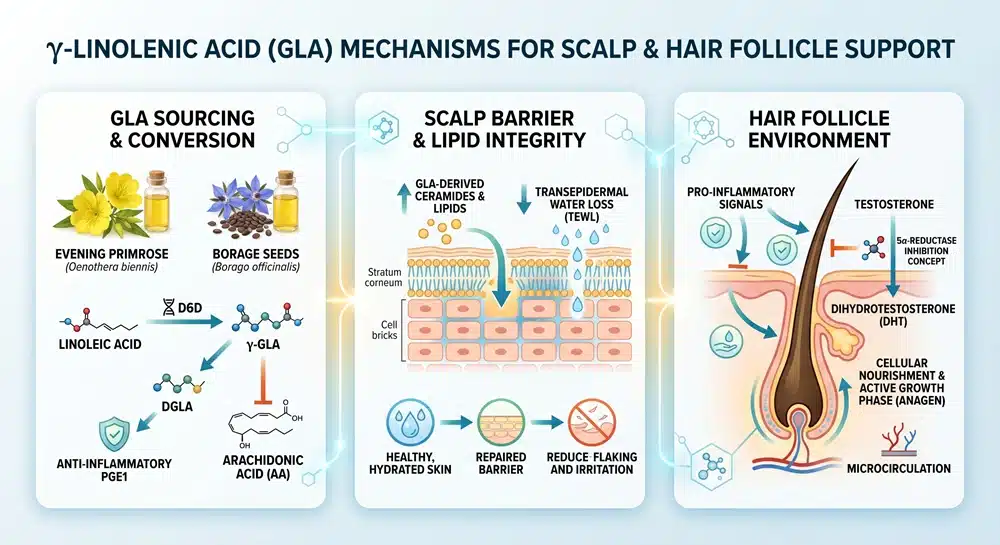
Hoa anh thảo buổi tối so với hoa anh thảo thông thường
Evening primrose (Oenothera biennis) and common primrose (Primula vulgaris) are different plants, often confused due to similar names. Evening primrose is a tall, biennial plant with yellow flowers that open in the evening. Its seeds are pressed to make EPO, rich in GLA. Common primrose, a low-growing perennial with pale yellow or pink flowers, is mostly ornamental and not used for oil production. While common primrose has some traditional medicinal uses (e.g., for coughs), it lacks the GLA content that makes EPO valuable for hair health. Always check product labels to ensure you’re getting evening dầu hoa anh thảo, not a common primrose extract.
For botanical and seed-oil products, Sản xuất thực phẩm chức năng từ thảo dược expertise can help brands manage ingredient identity, sourcing, and quality documentation.What evening primrose oil can and cannot do for hair
Evening primrose oil may support hair and scalp health indirectly by helping maintain fatty-acid intake and supporting skin and scalp barrier function. Because the scalp is skin, ingredients that support skin comfort and moisture can be relevant to hair-care positioning.
What EPO may support:
– scalp moisture and comfort,
– healthy-looking hair positioning,
– beauty-from-within formulas,
– fatty-acid support for skin and scalp,
– women’s wellness supplement concepts.
What EPO should not be claimed to do:
– cure hair loss,
– reverse androgenetic alopecia,
– treat alopecia areata,
– block DHT as a drug-like mechanism,
– regrow hair in users with medical hair-loss conditions.
This distinction is important. A hair-support supplement can be positioned around scalp comfort, skin barrier support, beauty-from-within, and healthy hair appearance. It should not be marketed as a treatment for medical hair loss unless supported by appropriate regulatory approval and clinical evidence.
Liều lượng dầu hoa anh thảo buổi tối để trị rụng tóc
Liều lượng phù hợp của dầu hoa anh thảo phụ thuộc vào việc bạn dùng đường uống hay thoa lên da đầu. Đối với thực phẩm chức năng uống, liều lượng thông thường là 500–1.000 mg mỗi ngày, với các viên nang được chuẩn hóa để chứa 8–10% GLA. Hãy bắt đầu với liều thấp hơn, chẳng hạn như 500 mg, và tăng liều nếu cần thiết. Uống EPO cùng với thức ăn để tăng cường hấp thu và giảm kích ứng dạ dày. Sự kiên trì là yếu tố quan trọng—kết quả có thể mất 2–3 tháng mới thấy rõ.
Để sử dụng tại chỗ, hãy pha vài giọt EPO với dầu nền như dầu dừa hoặc dầu jojoba. Thoa hỗn hợp lên da đầu 2–3 lần mỗi tuần, đồng thời massage nhẹ nhàng để kích thích tuần hoàn máu. Để nguyên trong 30 phút hoặc qua đêm trước khi gội sạch. Một số sản phẩm chăm sóc tóc đã có chứa EPO, vì vậy hãy kiểm tra nhãn sản phẩm để tránh sử dụng quá liều.
Luôn tham khảo ý kiến bác sĩ trước khi bắt đầu sử dụng EPO, đặc biệt nếu bạn có các vấn đề sức khỏe hoặc đang dùng thuốc. Bác sĩ có thể đề xuất liều lượng phù hợp với tình trạng của bạn, nhất là khi tình trạng rụng tóc có liên quan đến các vấn đề nội tiết hoặc y tế.
Oral softgels vs topical hair oils: Which format makes more sense?
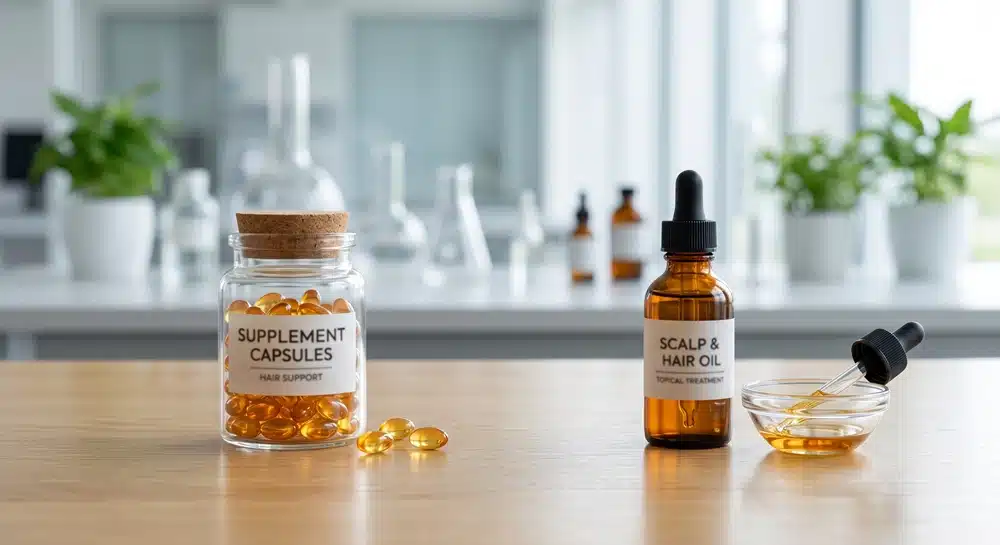
Evening primrose oil can appear in two different product formats: oral supplements and topical scalp oils. These two formats should not be treated as the same product.
Oral EPO softgels are better suited for beauty-from-within, women’s wellness, and fatty-acid support positioning. They are easier to dose, easier to package, and more familiar to supplement consumers.
Topical EPO oils are better suited for scalp comfort, hair-care routines, and cosmetic positioning. However, topical oils require different formulation work, including carrier oil selection, fragrance compatibility, skin feel, viscosity, oxidation control, and preservative or packaging considerations.
For brands, the choice depends on the business model. A dietary supplement brand may prefer EPO softgels. A hair-care brand may prefer a scalp oil blend. A hybrid beauty brand may use both: an oral softgel plus a topical hair oil as a bundled routine.
Cách sử dụng dầu hoa anh thảo cho tóc
Việc sử dụng dầu hoa anh thảo rất đơn giản và có thể dễ dàng lồng ghép vào thói quen hàng ngày của bạn. Đối với việc dùng đường uống, hãy uống viên nang cùng bữa ăn để giúp cơ thể hấp thu tốt hơn. Hãy kết hợp dầu hoa anh thảo với các dưỡng chất khác có lợi cho tóc như biotin, kẽm, hoặc vitamin D để đạt được kết quả tốt hơn. Một chế độ ăn giàu trái cây, rau củ và chất béo lành mạnh cũng giúp cải thiện sức khỏe của tóc.
Để sử dụng tại chỗ, hãy thử phương pháp chăm sóc da đầu tự làm tại nhà. Trộn 5–10 giọt dầu EPO với một muỗng canh dầu nền (ví dụ: dầu dừa, dầu jojoba hoặc dầu hạnh nhân). Massage hỗn hợp này lên da đầu, tập trung vào những vùng tóc thưa hoặc khô. Để yên trong 30–60 phút, hoặc qua đêm để dưỡng sâu hơn, sau đó gội đầu như bình thường. Bạn cũng có thể thêm vài giọt dầu EPO vào dầu xả để tăng cường độ ẩm.
Để đạt hiệu quả tốt nhất, hãy sử dụng EPO đều đặn. Kết hợp sản phẩm với các thói quen chăm sóc tóc nhẹ nhàng, chẳng hạn như tránh dùng dầu gội có thành phần mạnh hoặc tạo kiểu bằng nhiệt. Một phương pháp toàn diện — bao gồm chế độ dinh dưỡng hợp lý, kiểm soát căng thẳng và chăm sóc da đầu thường xuyên — sẽ giúp phát huy tối đa tác dụng của EPO.
Tính an toàn và tác dụng phụ của dầu hoa anh thảo
Dầu hoa anh thảo thường an toàn đối với hầu hết mọi người, nhưng vẫn có thể gây ra tác dụng phụ. Các tác dụng phụ thường gặp bao gồm khó chịu nhẹ ở dạ dày, buồn nôn hoặc đau đầu. Uống dầu hoa anh thảo cùng với thức ăn có thể giúp giảm bớt những triệu chứng này. Trong một số trường hợp hiếm hoi, nó có thể gây ra phản ứng dị ứng, chẳng hạn như phát ban trên da. Nếu gặp phải tình trạng này, hãy ngừng sử dụng ngay.
EPO có thể tương tác với một số loại thuốc, bao gồm thuốc chống đông máu (ví dụ: warfarin) và thuốc điều trị động kinh (ví dụ: phenytoin). Thuốc này cũng có thể làm tăng nguy cơ chảy máu, do đó cần tránh sử dụng trước khi phẫu thuật. Phụ nữ mang thai hoặc đang cho con bú chỉ nên sử dụng EPO dưới sự giám sát y tế, vì thuốc có thể ảnh hưởng đến nội tiết tố.
Hãy chọn EPO chất lượng cao để tránh các tạp chất. Nên chọn các sản phẩm đã được kiểm nghiệm bởi bên thứ ba về độ tinh khiết và hàm lượng hoạt chất. Các nhà sản xuất thực phẩm chức năng có số lượng đặt hàng tối thiểu (MOQ) thấp có thể cung cấp các công thức tùy chỉnh, chất lượng cao phù hợp với nhu cầu cụ thể. Luôn tuân thủ hướng dẫn về liều lượng và tham khảo ý kiến bác sĩ nếu bạn còn băn khoăn.
B2B formulation notes for evening primrose oil hair products
For supplement brands, evening primrose oil is not difficult to understand as an ingredient, but it does require careful handling as an oil-based raw material.
Before purchasing EPO for a hair-support formula, request:
– GLA percentage,
– peroxide value,
– acid value,
– extraction method,
– COA and specification sheet,
– allergen statement,
– pesticide or solvent testing if applicable,
– country of origin,
– recommended storage temperature,
– and shelf-life data.
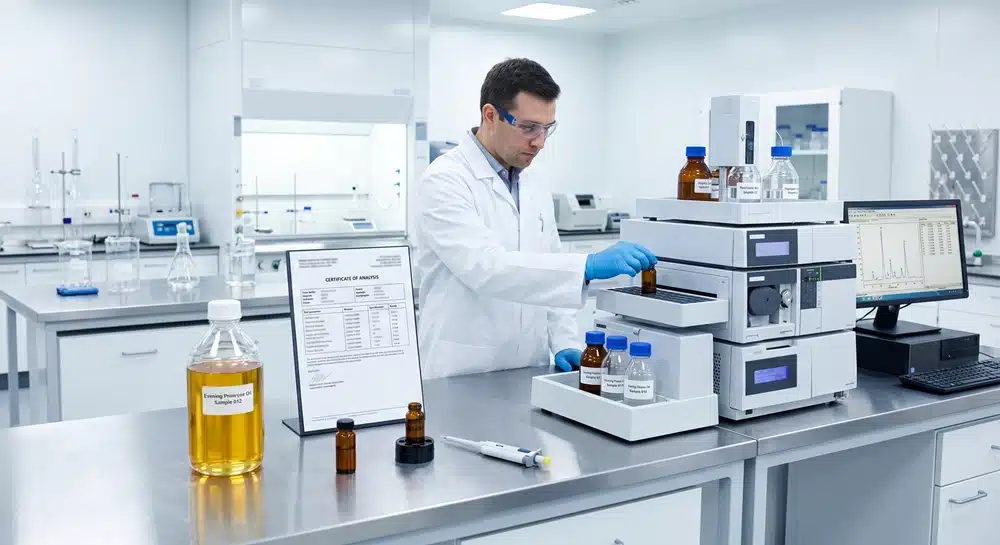
For softgel products, brands should also evaluate capsule size, fill weight, gelatin vs vegetarian shell compatibility, leakage risk, antioxidant system, and packaging protection from heat, light, and oxygen.
For topical scalp oils, brands should evaluate skin feel, carrier oil compatibility, fragrance system, oxidation risk, dropper or pump packaging, and whether the product should be positioned as a cosmetic rather than a dietary supplement.
Khi nào nên tìm kiếm sự trợ giúp chuyên nghiệp
Dầu hoa anh thảo có thể giúp duy trì sức khỏe cho tóc, nhưng không phải là phương pháp chữa trị cho mọi trường hợp rụng tóc. Nếu bạn nhận thấy tình trạng rụng tóc đột ngột hoặc nghiêm trọng, xuất hiện các mảng hói hoặc đau da đầu, hãy đến gặp bác sĩ hoặc bác sĩ da liễu. Những triệu chứng này có thể là dấu hiệu của các bệnh lý như rối loạn tuyến giáp, thiếu sắt hoặc các bệnh tự miễn, cần được điều trị y tế.
Chuyên gia cũng có thể kiểm tra xem tình trạng thiếu hụt chất dinh dưỡng hoặc rối loạn nội tiết tố có phải là nguyên nhân gây ra các vấn đề về tóc hay không. Nếu EPO hoặc các phương pháp điều trị khác không giúp cải thiện tình trạng tóc sau 3–6 tháng, bác sĩ có thể đề xuất các phương pháp điều trị mạnh hơn, như minoxidil hoặc liệu pháp hormone. Đừng chỉ dựa vào thực phẩm chức năng nếu tình trạng rụng tóc đang ảnh hưởng đến chất lượng cuộc sống của bạn.
Bằng chứng khoa học và những hạn chế
The evidence for evening primrose oil and hair growth is limited. Some studies on fatty acids and antioxidant combinations have reported improvements in hair density or shedding-related outcomes, but these formulas often include multiple nutrients rather than EPO alone. That means the results should not be interpreted as proof that evening primrose oil by itself regrows hair.
The strongest support for EPO is its role as a source of GLA and its relevance to skin and scalp barrier positioning. This makes it useful for beauty-from-within and scalp-comfort formulas, but not a standalone solution for medical hair loss.
For content and product claims, the safest approach is to describe EPO as supporting scalp comfort, skin barrier function, and healthy-looking hair, while clearly stating that users with sudden, severe, patchy, or persistent hair loss should consult a healthcare professional.
Conclusion: How brands should use evening primrose oil for hair products
Evening primrose oil can be a useful ingredient for hair-support and beauty-from-within products, but it should be positioned carefully. Its value comes from GLA and fatty-acid support, not from a guaranteed hair-regrowth effect.
For consumers, EPO may be considered as part of a broader scalp and beauty routine. For brands, EPO is more interesting as a softgel, scalp oil, or women’s beauty supplement ingredient when the formula is supported by strong COA documentation, oxidation control, appropriate packaging, and realistic claim language.

Need help developing an EPO hair-support product?
Gensei can support evening primrose oil softgels, beauty-from-within supplements, scalp oil blends, custom formulations, and private label hair-support products. Send us your target dosage form, GLA specification, packaging plan, and market positioning to review feasibility before production.
Câu hỏi thường gặp
Does evening primrose oil thicken hair?
Evening primrose oil should not be claimed to directly thicken hair. It may support scalp comfort, fatty-acid intake, and healthy-looking hair positioning, but it is not a proven hair-thickening treatment.
Can evening primrose oil regrow hair?
There is not enough evidence to say that EPO alone regrows hair. If hair loss is caused by genetics, thyroid issues, iron deficiency, autoimmune disease, or medication, EPO is unlikely to solve the root cause. It is better positioned as a supportive beauty and scalp-health ingredient.
Is evening primrose oil better as a capsule or topical oil?
Capsules are better for beauty-from-within and fatty-acid support positioning. Topical oils are better for scalp comfort and cosmetic hair-care routines. Brands should choose the format based on claim, packaging, target customer, and regulatory category.
Does evening primrose oil contain biotin?
No. Evening primrose oil does not naturally contain biotin. It is primarily valued for GLA and linoleic acid. A hair-support formula may combine EPO with biotin, zinc, vitamin D, collagen peptides, or other beauty ingredients if the combination is appropriate and substantiated.
What should brands check before sourcing evening primrose oil?
Brands should check GLA content, peroxide value, acid value, extraction method, COA, country of origin, allergen statement, pesticide or solvent testing if applicable, and storage conditions.
Can an EPO supplement claim to treat hair loss?
No. Dietary supplements should not claim to diagnose, treat, cure, or prevent hair loss or alopecia. Safer structure/function-style language includes supports scalp comfort, supports skin barrier function, and supports healthy-looking hair.
What is the best dosage form for private label EPO hair products?
Softgels are usually the most practical option for dietary supplements because they protect the oil, control dose, and reduce taste issues. Topical scalp oils can work for cosmetic brands but require different stability and packaging tests.
Who should avoid evening primrose oil?
Consumers who are pregnant or breastfeeding, taking blood thinners, preparing for surgery, or using seizure medications should consult a healthcare professional before using EPO. Brands should include appropriate caution language based on target market regulations.
Tài liệu tham khảo
- NCCIH. Evening Primrose Oil: Usefulness and Safety.
https://www.nccih.nih.gov/health/evening-primrose-oil - PubMed. Effect of a nutritional supplement on hair loss in women.
https://pubmed.ncbi.nlm.nih.gov/25573272/ - PubMed. Systemic evening primrose oil improves the biophysical skin parameters of healthy adults.
https://pubmed.ncbi.nlm.nih.gov/18492193/ - PMC. The role of linoleic acid in skin and hair health: A review.
https://pmc.ncbi.nlm.nih.gov/articles/PMC11719646/ - PMC. Natural ingredients in alopecia / dermatologic effectiveness review.
https://pmc.ncbi.nlm.nih.gov/articles/PMC10761108/ - FDA. Các tuyên bố về cấu trúc/chức năng.
https://www.fda.gov/food/nutrition-food-labeling-and-critical-foods/structurefunction-claims - FDA. Questions and Answers on Dietary Supplements.
https://www.fda.gov/food/information-consumers-using-dietary-supplements/questions-and-answers-dietary-supplements - PMC. Skin, hair, and nail supplements: marketing and labeling concerns.
https://pmc.ncbi.nlm.nih.gov/articles/PMC7802115/
W. Wenyang is a seasoned expert with extensive experience in the dietary supplement supply chain, possessing rich practical experience in the research, development, process control, and global sourcing of core ingredients such as collagen peptides, bone broth protein, and keratin. As the author of this column, he is dedicated to stripping away the marketing packaging, transforming obscure ingredient science and production quality control standards into easy-to-understand, hardcore science popularization, helping readers understand the truth behind the labels and make more rational health choices.