
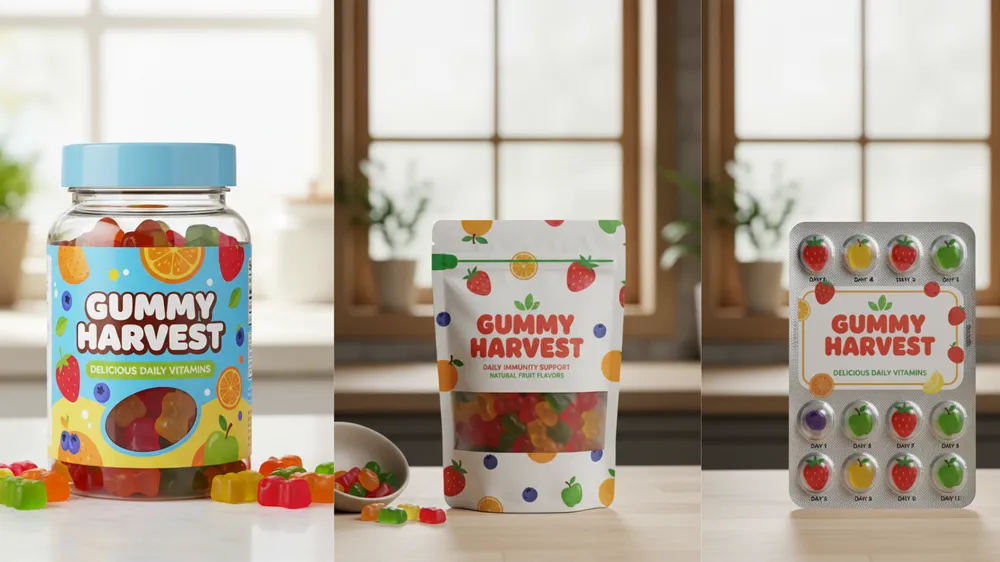
Quick Answer: The Best Way To Store Gummy Supplements
Store gummy supplements in their original airtight bottle, away from sunlight, steam, and heat. The best everyday storage range is a cool, dry room around 59-77°F (15-25°C), with humidity kept as low as practical. Refrigeration is only useful when the label recommends it, such as for certain probiotic, omega-3, or heat-sensitive gummies; otherwise, condensation can make gummies sticky or cause texture changes.
Did you know that improper storage can cause up to 30% nutrient degradation in gummy supplements within just six months? While gummies are one of the most enjoyable supplement formats, their soft texture and high moisture content also make them more sensitive to environmental conditions than capsules or tablets.
Proper storage isn’t only about keeping your gummies tasting fresh—it’s essential for maintaining potency, preventing melting, and reducing microbial risks. Whether you’re a consumer hoping to avoid waste or a brand looking to ensure your product’s shelf-life claims (typically 18–24 months) remain accurate, understanding optimal storage conditions is key.
In this guide, you’ll learn how to store gummy supplements properly, avoid common pitfalls, and tailor your approach for different gummy types. For more background on product selection and formulation.
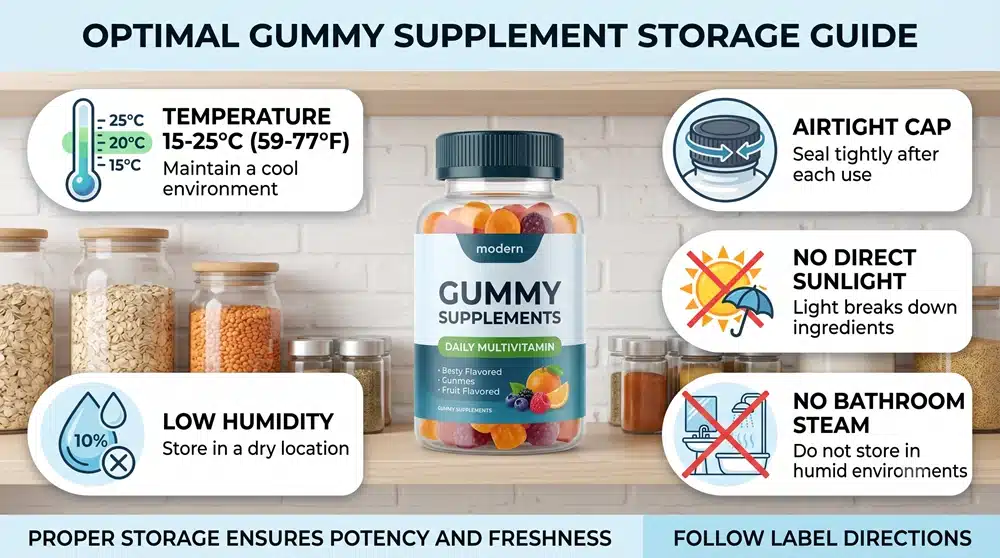
💡 Quick Tip: Store gummies in a cool, dry, and dark place—never in the bathroom or near kitchen heat sources.
Why Proper Storage Matters for Gummy Supplements
Proper storage isn’t just about convenience—it’s essential for preserving the efficacy, safety, and sensory appeal of gummy supplements. At their core, gummies are hygroscopic (moisture-attracting) due to their sugar and gelling agents, making them vulnerable to environmental stressors. Heat above 25°C (77°F) accelerates chemical breakdown, causing vitamins like C and B12 to lose up to 50% potency through oxidation or hydrolysis. Light exposure, particularly UV rays, further degrades sensitive actives like probiotics or omega-3s, potentially rendering probiotic supplements gummies ineffective for gut health.
Humidity is another culprit: Levels above 60% relative humidity (RH) can cause gummies to absorb moisture, leading to sticking, softening, or mold growth—especially in humid climates. For consumers, this means diminished health benefits and financial loss; a bottle of premium gummy supplements for women might underperform for hormonal support if stored poorly. From a brand perspective, inadequate storage guidelines contribute to higher return rates (up to 15% in retail) and regulatory scrutiny under FDA labeling requirements. By contrast, optimal conditions maintain bioavailability, ensuring gummies deliver promised results. As explored in our Comprehensive Guide to Gummy Supplements (Pillar Page), understanding these factors ties directly into selection—choosing products with robust packaging is half the battle.
The impact extends to sustainability: Proper storage reduces waste, aligning with 2025’s eco-conscious trends in the gummy supplements market. In short, thoughtful storage safeguards your wellness investment, from daily multivitamins to targeted formulas like gummy sleep supplements.
Step-by-Step: How to Store Gummy Supplements at Home
Follow these proven steps to ensure your gummies stay potent, fresh, and safe:
Step 1: Choose the Right Container
Always keep gummies in their original sealed packaging or transfer them into airtight glass or BPA-free plastic containers. These help block oxygen and moisture. For long-term storage, vacuum-sealed pouches are ideal.
Step 2: Maintain the Ideal Temperature
Store gummies in a cool, dry place between 15–25°C (59–77°F). Avoid refrigerators unless the label specifically recommends it—condensation during temperature changes can introduce moisture that damages the product.
Step 3: Protect from Light
Keep your gummies away from sunlight and fluorescent lighting. Use opaque containers or store them in dark cabinets to prevent UV-induced nutrient loss.
Step 4: Control Humidity
The ideal relative humidity (RH) is below 60%. In high-humidity regions, use a food-safe desiccant (silica gel pack) in the storage jar to absorb excess moisture.
Step 5: Handle with Care
Always handle gummies with clean, dry hands, and reseal the container immediately after each use. Even short exposure to air can introduce moisture and bacteria.
Special Cases
- Sugar-free gummies: These tend to harden faster—store them slightly warmer (20–25°C).
- Travel storage: Use small airtight travel cases and avoid leaving them in cars or backpacks exposed to heat.
📋 Quick Reference Checklist:
| Step | Key Action | Ideal Condition |
|---|---|---|
| 1 | Use airtight container | Glass or sealed pouch |
| 2 | Keep cool | 15–25°C |
| 3 | Avoid light | Opaque packaging |
| 4 | Control humidity | <60% RH |
| 5 | Handle properly | Clean, dry hands |
| Step | Key Action | Why It Works | Tools Needed |
|---|---|---|---|
| Container Selection | Airtight, opaque packaging | Blocks O2 and UV | Original bottle or glass jar |
| Temperature Control | 15-25°C, no fridge unless specified | Prevents melting/degradation | Thermometer |
| Light Protection | Dark cabinet or foil wrap | Preserves photosensitive actives | Opaque storage box |
| Humidity Management | <60% RH with desiccants | Avoids sticking/mold | Hygrometer, silica packets |
| Handling | Clean hands, immediate reseal | Reduces contamination | None |
Storage Tips for Specific Gummy Types
Not all gummies are created equal—their active ingredients dictate unique storage needs. Tailoring your approach ensures targeted benefits, like sustained energy from gummy supplements for energy or relaxation from sleep aids.
- Kids’ Gummies: These fruit-flavored favorites often contain higher sugars, making them prone to stickiness. Use child-proof, airtight containers in a cool pantry (18-22°C) to maintain shape and appeal—avoid bathrooms where steam softens them. Portion into weekly pill organizers for school bags, but keep away from direct sunlight to protect fun colors and vitamins.
- Probiotic or Omega-3 Gummies: Live cultures and fatty acids demand cooler storage (10-15°C) to preserve viability—refrigeration is often recommended post-opening, but use vacuum-sealed bags to combat condensation. For probiotic supplements gummies, this can retain 90% efficacy over 12 months.
- Beauty and Sleep Aid Gummies: Sensitive to light and heat, store best hair gummy supplements or gummy sleep supplements in dark, stable spots (e.g., nightstand drawer at 20°C). Melatonin or biotin formulas benefit from nitrogen-flushed packaging—check labels for “cool, dry place” icons.
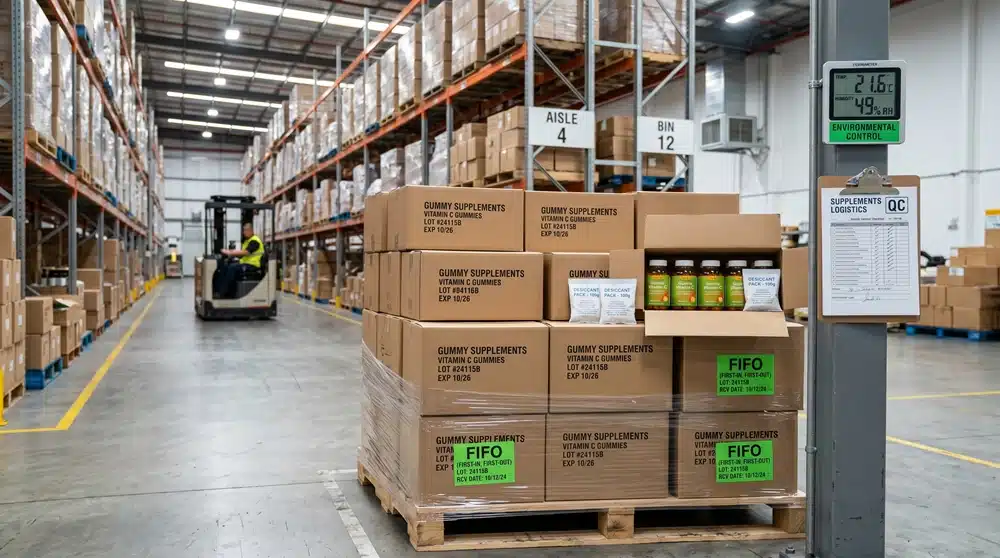
- Bulk or Brand Storage: For wholesalers, climate-controlled warehouses (18-22°C, 40-50% RH) with FIFO (first-in, first-out) rotation prevent stock aging. Invest in pallet racking with moisture barriers for private label gummy supplements.
These variations highlight why reading labels is key—always prioritize manufacturer guidelines.
For oil-based actives that are especially sensitive to oxygen and heat, brands may also consider softgel formats. Learn more about softgel capsule manufacturing if your formula uses omega-3, vitamin D, CoQ10, or other lipid-soluble ingredients that may require a different dosage form.For Brands And Distributors: Storage Stability Starts Before Shipping
For supplement brands, gummy storage is not only a consumer education topic. Stability should be designed before production begins. A good gummy formula must balance active ingredient sensitivity, water activity, sugar system, pectin or gelatin base, bottle seal, desiccant choice, and shipping temperature risk.
In bulk storage or wholesale distribution, gummies should be handled with a FIFO system, stable temperature control, sealed secondary cartons, and humidity monitoring. This approach aligns with the logic of dietary supplement cGMP requirements for manufacturing, packaging, labeling, and holding operations, especially when products are stored before final distribution.
For heat-sensitive formulas such as probiotic gummies, omega-3 gummies, or melatonin gummies, brands should request packaging and stability discussions early. Nitrogen flushing, moisture-barrier bottles, induction seals, and desiccant packs can help reduce oxygen, moisture, and heat exposure during the product lifecycle.
For supplement brands, storage stability should be considered before production begins. If you are developing heat-sensitive gummies, working with an experienced gummy supplement manufacturing partner can help optimize pectin or gelatin base selection, moisture control, packaging format, and shelf-life testing from the formulation stage.Common Storage Mistakes and How to Avoid Them
Even well-intentioned users make storage slip-ups that compromise gummy quality. Here’s how to sidestep the pitfalls:
- Bathroom or Kitchen Exposure: Steam and heat from showers or ovens cause softening and nutrient loss. Avoid by: Designating a dedicated, stable pantry shelf—test ambient conditions with a cheap thermometer/hygrometer combo.
- Leaving Open to Air: Partial bottles exposed overnight oxidize quickly, especially sugar free gummy supplements. Avoid by: Resealing with clips or transferring to smaller jars; use oxygen absorbers for opened packs.
- Freezing Without Approval: While tempting for longevity, freezing can cause expansion cracks or flavor separation. Avoid by: Only freeze if specified (e.g., some probiotics); thaw at room temp in sealed packs.
- Sunlit Windowsills: UV rays fade colors and degrade actives in gummies supplements for skin. Avoid by: Opt for interior cabinets—simple curtains add protection.
For brands, overlooking these in packaging design leads to consumer complaints. Proactive education, like QR-coded storage tips on labels, builds loyalty.
How To Tell If Gummy Supplements Have Gone Bad
Gummy supplements may still look normal after their potency has started to decline, so texture and smell are important warning signs. Stop using gummies if they develop a sour or fermented odor, visible mold, liquid leakage, unusual discoloration, hard crystallized surfaces, or extreme stickiness that does not improve after the bottle is closed and cooled.
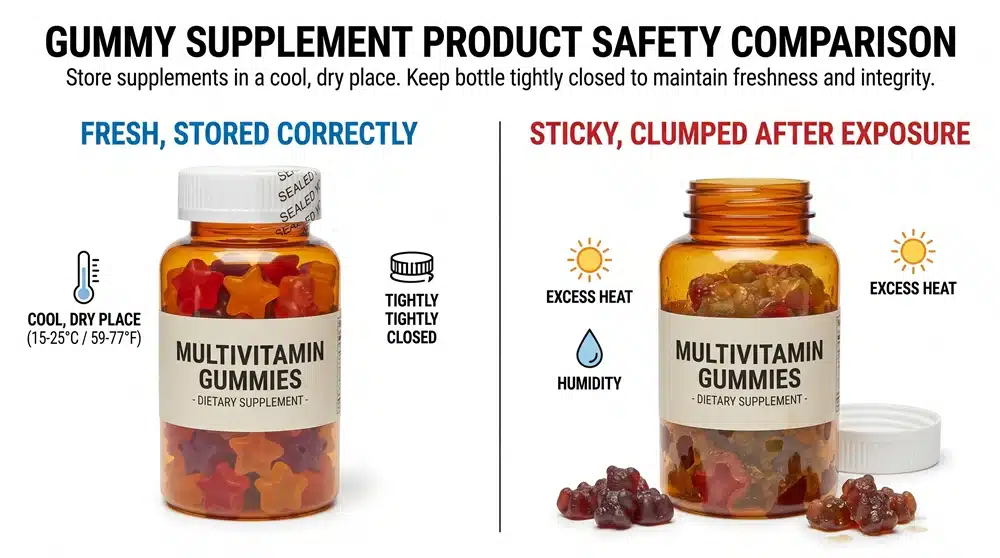
If gummies were stored in a hot car, near a window, in a bathroom, or inside an open pill organizer for several days, their texture and active ingredient potency may be compromised. When in doubt, follow the expiration date and storage instructions on the label rather than trying to rescue a damaged product.
Shelf Life, Expiration, and Signs of Spoilage
Gummy supplements typically boast a robust shelf life—18-24 months unopened under ideal conditions—but this drops to 6-12 months once opened due to air exposure. Always heed the “best by” date, which indicates peak potency rather than safety expiration. Factors like high-sugar content extend stability, while probiotics shorten it to 9 months.
To check freshness: Inspect for a firm, non-sticky texture and vibrant color. Spoilage red flags include off odors (rancid or fermented), visible mold, excessive hardening, or unusual sliminess—discard immediately to avoid health risks. If in doubt, a quick potency test via home kits (for vitamins) can confirm. Proper storage adds 3-6 months, but rotate stock regularly.
Pectin vs. Gelatin Gummies: Why Storage Stability Is Different
Not all gummy supplements react to heat and humidity in the same way. Gelatin-based gummies usually have a softer, elastic chew and can become tacky faster when exposed to warmth or moisture. Pectin-based gummies are popular in vegan formulas and may offer better heat tolerance, but they can still absorb moisture and lose texture if the bottle is left open.
For consumers, this means the storage rule is the same in practice: keep both types sealed, dry, and away from heat. For supplement brands, the gummy base matters at the formulation stage because pectin, gelatin, sugar content, active ingredients, and packaging all influence stickiness, melting risk, and shelf-life stability.
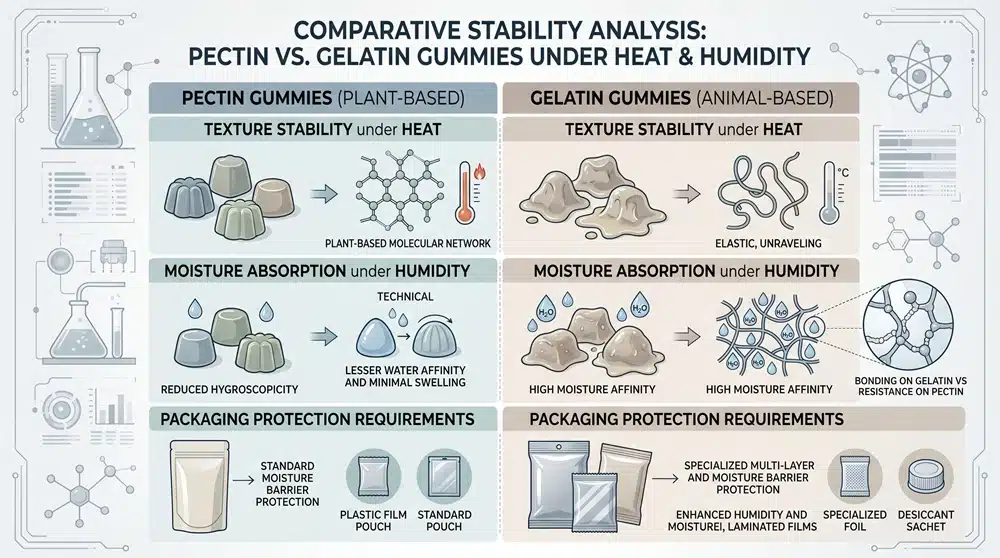
| Storage Factor | Gelatin Gummies | Pectin Gummies | SEO/GEO Value |
| Heat Sensitivity | Usually softer and more likely to become tacky in warm rooms | Often more heat-tolerant but still vulnerable in hot shipping conditions | Targets “do gummies melt” and hot-weather queries |
| Humidity Risk | Can absorb moisture and stick together if the bottle is opened often | Can also absorb moisture; texture may become grainy or wet | Targets “gummy vitamins sticking together” |
| Best Packaging | Airtight bottle, desiccant, strong cap seal | Airtight bottle or pouch, moisture barrier, desiccant if needed | Connects consumer storage with B2B packaging |
| Best Use Case | Traditional chewy texture and familiar mouthfeel | Vegan, vegetarian, or plant-based positioning | Supports internal links to vegan gummy content |
Conclusion and Next Steps
Mastering how to store gummy supplements properly is a simple yet powerful way to maximize their health benefits, minimize waste, and ensure safety—whether for personal use or brand inventory. From airtight containers and cool temps to avoiding common errors like humidity traps, these practices preserve the delicate balance of nutrients and texture that make gummies so appealing.
If you are building a new supplement line, storage performance should be tested together with flavor, active dosage, texture, and packaging. Gensei supports custom gummy supplement manufacturing for brands that need formulation, stability review, packaging support, and private label production.Ready to implement? Start with a storage audit: Check your current setup against our checklist and adjust accordingly. For bulk or custom needs, partnering with a gummy supplement manufacturer ensures built-in durability. Share your tips in the comments below, or download our free Gummy Storage Checklist PDF. For more on efficacy and selection, explore our Comprehensive Guide to Gummy Supplements. Stay fresh, stay healthy!
FAQs
Resource
- eCFR – 21 CFR Part 111: Current Good Manufacturing Practice in Manufacturing, Packaging, Labeling, or Holding Operations for Dietary Supplements
- FDA – Small Entity Compliance Guide: Current Good Manufacturing Practice in Manufacturing, Packaging, Labeling, or Holding Operations for Dietary Supplements
- USP – General Chapter <659> Packaging and Storage Requirements
- USP official website
- CapPlus Technologies – How to Keep Gummy Vitamins from Sticking Together
- Collagensei – Gummy Supplement Manufacturing
- Collagensei – Custom Gummy Supplement Manufacturer
- Collagensei – Why Switch to Vegan Gummy Supplements?
- Collagensei – Gummy Supplement Manufacturing Step-by-Step Guide

Warren Wan is a seasoned expert with extensive experience in the dietary supplement supply chain, possessing rich practical experience in the research, development, process control, and global sourcing of core ingredients such as collagen peptides, bone broth protein, and keratin. As the author of this column, he is dedicated to stripping away the marketing packaging, transforming obscure ingredient science and production quality control standards into easy-to-understand, hardcore science popularization, helping readers understand the truth behind the labels and make more rational health choices.


