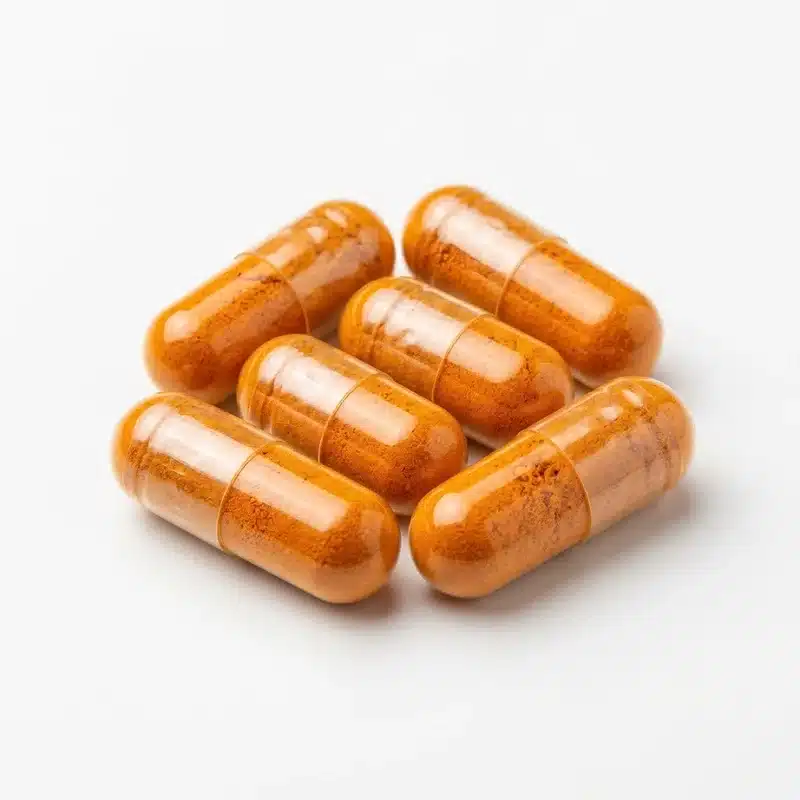
Bulk Specialty Supplement Ingredient Supplier

Coenzyme Q10 Manufacturer & Bulk CoQ10 Powder Supplier

Gensei supplies Coenzyme Q10, also known as CoQ10, Ubiquinone, Ubiquinone-10, Ubidecarenone or Coenzyme Q10 Powder, for dietary supplement softgels, capsules, tablets, gummies, sachets, drink powders, oil blends and custom premix manufacturing. We support supplement brands and contract manufacturers with bulk supply, COA, specification review, assay method, sample coordination and global sourcing support.

Coenzyme Q10 CoQ10 / Ubiquinone CAS 303-98-0 98% HPLC Options Supplement Grade

Product Highlights

  • Bulk Coenzyme Q10 raw material for dietary supplement and specialty active ingredient manufacturing
  • Available as oil-soluble CoQ10 powder, water-dispersible options, CWS powder, beadlets or microencapsulated formats according to project needs
  • CoQ10 assay, purity, particle size, carrier system and application fit can be reviewed according to specification and batch COA
  • Suitable for softgels, capsules, tablets, gummies, sachets, drink powders, oil blends and custom supplement premixes
  • COA, specification sheet, SDS, TDS, allergen statement, non-GMO statement and flow chart available for qualified buyers
  • Residual solvents, heavy metals, microbiology, stability, color impact and carrier declaration should be reviewed before bulk purchase
  • Focused on supplement ingredient sourcing, not medical, pharmaceutical or therapeutic use

What Is Coenzyme Q10?

Coenzyme Q10 is a fat-soluble, vitamin-like quinone ingredient commonly sourced as Ubiquinone powder for supplement manufacturing.

Coenzyme Q10 is a specialty supplement ingredient also known as CoQ10, Ubiquinone, Ubiquinone-10 or Ubidecarenone. In B2B supplement sourcing, CoQ10 is commonly supplied as yellow to orange powder, crystalline powder, oil-soluble material, water-dispersible powder, CWS powder, beadlets or microencapsulated formats. Buyers usually evaluate Coenzyme Q10 by CAS number, purity, HPLC assay, particle size, residual solvents, carrier system, solubility or dispersibility, color impact, stability, heavy metals, microbiology, documentation, packaging and destination market label requirements.

Q10

Ubiquinone Identity

CoQ10 is commonly sourced as Ubiquinone / Ubidecarenone with CAS 303-98-0 and should be confirmed by batch specification.

HPLC

Assay & Purity Review

High-purity CoQ10 grades are commonly reviewed by HPLC assay, identity, residual solvents and impurity profile.

B2B

Supplement Supply Focus

Gensei supports supplement brands, OEM factories and contract manufacturers with bulk CoQ10 sourcing and technical documentation.

Coenzyme Q10 Specification Options

Final specifications depend on purity, production route, powder format, carrier system, particle size, application format and destination market requirements.

Parameter Typical Options for B2B Sourcing
Product Category Coenzyme Q10 / CoQ10 Powder / Ubiquinone / Ubiquinone-10 / Ubidecarenone / Specialty Supplement Ingredient
Common Synonyms Coenzyme Q10, CoQ10, Co-Q10, Ubiquinone, Ubiquinone-10, Ubiquinone 50, Ubidecarenone, Coenzyme Q10 Powder, Q10 Powder
CAS Number 303-98-0
Molecular Formula C59H90O4
Molecular Weight 863.34
Main Forms Oil-soluble CoQ10 powder, high-purity crystalline powder, water-dispersible CoQ10, CWS powder, beadlets, microencapsulated CoQ10 and custom premix options
Typical Assay High-purity options such as 98% HPLC can be discussed. Water-dispersible or beadlet formats may use lower active percentages depending on carrier system.
Appearance Yellow to orange crystalline powder, powder, granule or beadlet depending on format and carrier system
Solubility / Dispersibility Native CoQ10 is oil-soluble and poorly water-soluble. Water-dispersible, CWS or microencapsulated options can be reviewed for drink powders and gummies.
Application Fit Softgels, oil suspensions, capsules, tablets, gummies, sachets, drink powders, beauty supplements, energy-positioned formulas and custom supplement premixes
Carrier Review Carrier-free, microencapsulated, starch-based, gum-based, emulsifier-supported or customized carrier systems may be reviewed according to formula requirements
Testing Items HPLC assay, identification, purity, particle size, loss on drying, residue on ignition, residual solvents, heavy metals, microbiology and carrier review upon request
Documents COA, specification sheet, SDS, TDS, allergen statement, non-GMO statement, vegan statement, flow chart, residual solvent report and technical files upon request
Packaging 1 kg sample pack, 5 kg, 10 kg, 20 kg, 25 kg carton/fiber drum or customized bulk packaging according to order quantity and stability needs
Storage Store in a cool, dry, sealed and light-protected environment. Protect from heat, moisture, oxygen exposure and strong light.

Note: This table is for B2B sourcing reference. Final assay, purity, format, carrier system, residual solvent profile, packaging, shelf life and documents should be confirmed according to the actual batch and purchase agreement.

Ubiquinone vs. Ubiquinol vs. Water-Dispersible CoQ10

CoQ10-related ingredients are often searched together, but they differ in oxidation state, stability, carrier system and formulation behavior.

Item Ubiquinone CoQ10 Ubiquinol Water-Dispersible CoQ10
Form Type Oxidized CoQ10 form commonly used in supplement raw material sourcing Reduced CoQ10 form requiring separate stability, specification and supplier review CoQ10 formulated with carrier or encapsulation system to improve dispersion in water-based formats
Label Positioning Coenzyme Q10, CoQ10, Ubiquinone or Ubidecarenone depending on market and documentation Ubiquinol or reduced CoQ10 depending on documentation and label strategy CoQ10, water-dispersible CoQ10, CWS CoQ10 or CoQ10 beadlets depending on carrier system
Application Notes Commonly reviewed for softgels, capsules, tablets and oil-based formulas Often reviewed for premium CoQ10 formulas where reduced-form positioning is required Often reviewed for gummies, drink powders, sachets, tablets and powder premixes
Buyer Check Confirm HPLC assay, purity, residual solvents, particle size, COA and label suitability Confirm oxidation state, stability, storage, assay method, packaging and supplier documentation Confirm active CoQ10 percentage, carrier declaration, dispersion, sediment, color impact and stability

Applications in Dietary Supplements

Gensei supplies Coenzyme Q10 mainly for supplement and specialty nutrition projects rather than medical, pharmaceutical or therapeutic applications.

Softgels Oil-soluble CoQ10 can be evaluated for softgel formulas with carrier oil, suspension and fill compatibility review.
Capsules Selected CoQ10 powder or beadlet specifications can be used in capsule formulas when bulk density and flowability are suitable.
Tablets Can be reviewed for tablets with particle size, compressibility, color impact and excipient compatibility testing.
Gummies Water-dispersible or microencapsulated options can be evaluated for gummy supplements with color and taste review.
Sachets Suitable for single-serve powder concepts when dispersion, carrier system, sediment and flavor compatibility are reviewed.
Drink Powders Can be evaluated for ready-to-mix formulas using CWS, beadlet or microencapsulated CoQ10 formats.
Beauty Nutrition Can be used in beauty-from-within supplement concepts when positioned as a specialty active ingredient.
Custom Premixes Can be combined with vitamins, minerals, amino acids, L-carnitine, alpha-lipoic acid or oils after compatibility review.

Formulation Notes for Supplement Brands

CoQ10 selection should be aligned with active percentage, delivery format, carrier declaration, stability, color impact and destination market label compliance.

01

Assay & Active Input

Confirm HPLC assay, active CoQ10 percentage and overage strategy before calculating serving size and label amount.

02

Oil-Soluble vs CWS

Choose oil-soluble CoQ10 for softgels or oil blends, and water-dispersible formats for gummies, sachets and drink powders.

03

Carrier Declaration

Microencapsulated and beadlet formats may include carriers or emulsifiers that must be reviewed for label declaration.

04

Color & Taste Impact

CoQ10 is naturally yellow to orange, so gummies, chewables and drink powders should be tested for color and flavor compatibility.

05

Stability Review

Review exposure to heat, light, oxygen, pH and moisture when designing softgels, gummies, tablets or powder blends.

06

Supplement Facts Review

Final CoQ10 amount, ingredient name, serving size, warnings and other label details should be confirmed by the brand owner.

Why Choose Gensei as Your Coenzyme Q10 Supplier?

Gensei provides procurement-oriented support for supplement brands and contract manufacturers sourcing bulk CoQ10 powder.

B2B

Supplement-Focused Supply

Our CoQ10 support is focused on softgels, capsules, tablets, gummies, sachets, drink powders and supplement premixes.

SPEC

Specification Matching

We help match purity, assay method, powder format, carrier system, particle size and application behavior to your project.

COA

Document Support

COA, specification sheet, SDS, TDS, allergen statement, non-GMO statement and flow chart can be provided for qualified buyers.

R&D

Application Matching

We support discussion around softgels, capsules, tablets, gummies, sachets, drink powders and custom premixes.

MOQ

Bulk Order Support

Packaging, MOQ, sample availability, lead time and shipment details can be discussed according to your project volume.

GLB

Global Supply Coordination

Gensei supports international buyers with quotation, sample coordination, documentation and export shipment planning.

Quality Control & Documentation

For Coenzyme Q10 raw material purchasing, HPLC assay, purity, residual solvents, batch documentation and stability review are essential for supplier qualification.

QC

Batch COA

Certificate of Analysis can verify key batch parameters such as HPLC assay, identification, purity, loss on drying and microbial limits.

RS

Residual Solvent Review

Residual solvents, heavy metals, impurities and carrier system should be reviewed according to grade and destination market requirements.

DOC

Compliance Files

SDS, TDS, allergen statement, non-GMO statement, vegan statement, flow chart and stability information can support supplier approval.

Buyers should confirm CoQ10 assay, purity, CAS identity, powder format, active percentage, carrier system, residual solvents, heavy metals, microbiology, stability, allergen status, shelf life, packaging and storage conditions before placing bulk orders.

Bulk Ordering Process

Gensei helps supplement buyers move from specification review to quotation, sampling and shipment.

1 Share Your Requirement Tell us your target CoQ10 form, active percentage, application, order quantity, documentation needs and destination market.
2 Confirm Specification Our team confirms available oil-soluble CoQ10, water-dispersible CoQ10, beadlet, CWS or microencapsulated options.
3 Review COA & Documents Qualified buyers can request COA, specification sheet, SDS, TDS, allergen statement, residual solvent report and related technical documents.
4 Quotation & Sample We provide pricing, MOQ, lead time, sample availability and shipping information based on the selected specification.
5 Bulk Order & Shipment Batch quality confirmation, packaging and export shipment coordination are arranged before delivery.

Frequently Asked Questions

Common questions from supplement brands, OEM manufacturers, contract manufacturers and ingredient buyers.

What is Coenzyme Q10?

Coenzyme Q10, commonly called CoQ10, is a fat-soluble quinone ingredient also known as Ubiquinone or Ubidecarenone. It is commonly used in dietary supplement softgels, capsules, tablets, gummies, sachets, drink powders and specialty nutrition formulas.

What is the CAS number of Coenzyme Q10?

The CAS number commonly used for Coenzyme Q10 / Ubiquinone is 303-98-0. Buyers should confirm identity, assay and specification by supplier documentation and batch COA.

What is the difference between CoQ10 and Ubiquinone?

CoQ10 and Ubiquinone are commonly used names for the same oxidized Coenzyme Q10 ingredient. Final naming should be confirmed according to supplier documentation and destination-market labeling requirements.

What is the difference between Ubiquinone and Ubiquinol?

Ubiquinone is the oxidized form of CoQ10, while Ubiquinol is the reduced form. These forms require separate specification, stability, packaging, assay and label review before sourcing.

Is CoQ10 water soluble?

Native CoQ10 is generally oil-soluble and poorly water-soluble. For drink powders, gummies or sachets, buyers can evaluate water-dispersible, CWS, beadlet or microencapsulated CoQ10 options.

Can CoQ10 be used in softgels?

Yes. Oil-soluble CoQ10 can be evaluated for softgel formulas. Formulators should review carrier oil, suspension behavior, fill compatibility, assay, stability and finished product testing.

Can CoQ10 be used in gummies?

CoQ10 can be evaluated for gummies, especially in water-dispersible or microencapsulated formats. Formulators should review active percentage, color, taste, texture, pH, stability and carrier declaration.

Can CoQ10 be used in drink powders?

CoQ10 can be evaluated for drink powders, sachets and stick packs when using suitable water-dispersible or CWS formats. Buyers should confirm dispersion, sediment, taste, color and finished product stability.

Is CoQ10 vegan?

Vegan suitability depends on production route, carrier system, capsule or softgel shell materials, processing aids and manufacturing conditions. Buyers should request a vegan statement if vegan label positioning is required.

What documents can I request before ordering?

Qualified B2B buyers can request COA, specification sheet, SDS, TDS, allergen statement, non-GMO statement, vegan statement, flow chart, residual solvent report and other technical files depending on the selected grade.

What is the MOQ for Coenzyme Q10?

MOQ depends on CoQ10 form, active percentage, stock status, packaging, order quantity and destination market. Please contact Gensei with your required grade and purchase quantity for a detailed quotation.

How should Coenzyme Q10 be stored?

Coenzyme Q10 should generally be stored in a cool, dry, sealed and light-protected environment. Avoid heat, moisture, oxygen exposure and strong light to help maintain product quality.

Does Gensei supply Coenzyme Q10 for medical or pharmaceutical use?

This page is focused on B2B dietary supplement ingredient sourcing. If your project involves pharmaceutical, medical food or therapeutic applications, please confirm the required grade, documentation and regulatory pathway separately.

Source Bulk Coenzyme Q10 from Gensei

Looking for a Coenzyme Q10 manufacturer or bulk CoQ10 powder supplier for dietary supplements? Contact Gensei to request quotation, COA, specification, assay method, active percentage, MOQ, sample availability and global shipping support.

Disclaimer: This product information is intended for B2B dietary supplement ingredient sourcing and formulation reference only. It is not intended to diagnose, treat, cure or prevent any disease. Coenzyme Q10 ingredient selection should be reviewed by assay, purity, active percentage, carrier system, format, residual solvents, stability, label declaration, Supplement Facts requirements, warning statements, drug-interaction considerations, import requirements and destination-market regulations. Final supplement claims, dosage, labeling, warning statements, ingredient declaration, product classification and market compliance should be reviewed according to applicable regulations in the destination market.

Scroll to Top