
Gel tảo biển và viên nang tảo biển thường có cùng nguồn gốc là tảo đỏ, nhưng chúng giải quyết các vấn đề khác nhau về công thức. Gel là một chất nền đã được ngâm nước, có thời hạn sử dụng ngắn, thích hợp cho sinh tố và sử dụng tại chỗ; trong khi viên nang là bột khô, có liều lượng được kiểm soát, ổn định khi bảo quản, được thiết kế để dễ mang theo, sản xuất theo tiêu chuẩn GMP và đảm bảo tính nhất quán giữa các lô sản phẩm.
Đối với người tiêu dùng, lựa chọn tốt hơn phụ thuộc vào lối sống. Đối với các chủ sở hữu thương hiệu thực phẩm bổ sung, lựa chọn tốt hơn phụ thuộc vào việc chuẩn hóa hàm lượng i-ốt, kiểm tra kim loại nặng, rủi ro vi sinh, bao bì, hậu cần và dạng bào chế mục tiêu.
- Gel tảo biển: Phù hợp nhất cho những người dùng muốn có một nguyên liệu dạng thực phẩm giàu độ ẩm để dùng trong sinh tố, mặt nạ dưỡng da và bảo quản trong tủ lạnh trong thời gian ngắn.
- Viên nang rong biển: Là lựa chọn tối ưu cho việc định lượng chính xác, sự tiện lợi khi mang theo khi đi du lịch, thời hạn sử dụng lâu hơn và các chương trình thực phẩm bổ sung mang thương hiệu riêng có thể mở rộng quy mô.
- Tiêu chí mua hàng: Yếu tố quan trọng nhất không phải là “độ tươi” mà là chất lượng đã được kiểm chứng: xác định loài, phân tích hàm lượng i-ốt, kiểm tra kim loại nặng, kiểm tra vi sinh và quy trình sản xuất tuân thủ GMP có chứng nhận.

Rêu biển là gì?
Rong biển, thường được hiểu là loài Chondrus crispus và các loài tảo đỏ có liên quan, được đánh giá cao nhờ hàm lượng polysaccharide tự nhiên, i-ốt, kali, magiê, canxi và các khoáng chất vi lượng. Tuy nhiên, thành phần dinh dưỡng của nó không cố định. Loài tảo, địa điểm thu hoạch, chất lượng nước biển, mùa vụ, quá trình rửa, sấy khô và xay nghiền đều có thể làm thay đổi hàm lượng khoáng chất cuối cùng.
Lời quảng cáo phổ biến về “92 khoáng chất” không nên được sử dụng làm thông số kỹ thuật của sản phẩm hoàn chỉnh trừ khi được chứng minh bằng các kết quả kiểm nghiệm cụ thể cho từng lô hàng. Đối với việc phát triển thực phẩm bổ sung thương mại, thành phần rong biển cần phải có Giấy chứng nhận phân tích (COA) bao gồm các thông tin về nguồn gốc, hàm lượng i-ốt, kim loại nặng, vi sinh vật và độ ẩm. Viện Y tế Quốc gia Hoa Kỳ (NIH) - Văn phòng Dinh dưỡng và Thực phẩm (ODS) lưu ý rằng hàm lượng i-ốt trong rong biển có thể thay đổi đáng kể tùy theo loài, do đó việc kiểm nghiệm tiêu chuẩn hóa trở nên đặc biệt quan trọng đối với các sản phẩm từ rong biển.
Gel tảo biển: Cung cấp độ ẩm, đa năng, nhưng khó đạt tiêu chuẩn hơn
Gel rong biển được sản xuất bằng cách ngâm rong biển khô, làm sạch và xay nhuyễn với nước cho đến khi tạo thành một lớp gel đặc. Người tiêu dùng ưa chuộng loại gel này vì có thể thêm vào sinh tố, súp, mặt nạ hoặc các bước chăm sóc tóc. Sản phẩm này mang lại cảm giác gần gũi với thực phẩm tươi sống hơn là viên nang thực phẩm chức năng.
Từ góc độ sản xuất, gel rong biển là một chất nền thực vật có hàm lượng nước cao. Các rủi ro chính của sản phẩm này bao gồm độ hoạt động của nước, bảo quản lạnh, sự thay đổi pH, sự phát triển của vi sinh vật, tính tương thích của bao bì và vận chuyển theo chuỗi lạnh. Gel có thể là sản phẩm hấp dẫn đối với các kênh bán lẻ thực phẩm tươi sống và chăm sóc sức khỏe tại địa phương, nhưng việc tiêu chuẩn hóa thông tin trên nhãn thành phần dinh dưỡng (Supplement Facts) lại khó khăn hơn do hàm lượng nước và nồng độ chất rắn trong mỗi khẩu phần có thể thay đổi.
Gel nói chung là một sản phẩm phục vụ lối sống. Sản phẩm này mang lại hiệu quả cao khi khách hàng coi trọng độ tươi mới, kết cấu và tính linh hoạt, nhưng lại đòi hỏi điều kiện bảo quản nghiêm ngặt và chu kỳ tồn kho ngắn hơn.
Viên nang rong biển: Kiểm soát liều lượng và phù hợp hơn cho các sản phẩm bổ sung có thể mở rộng quy mô
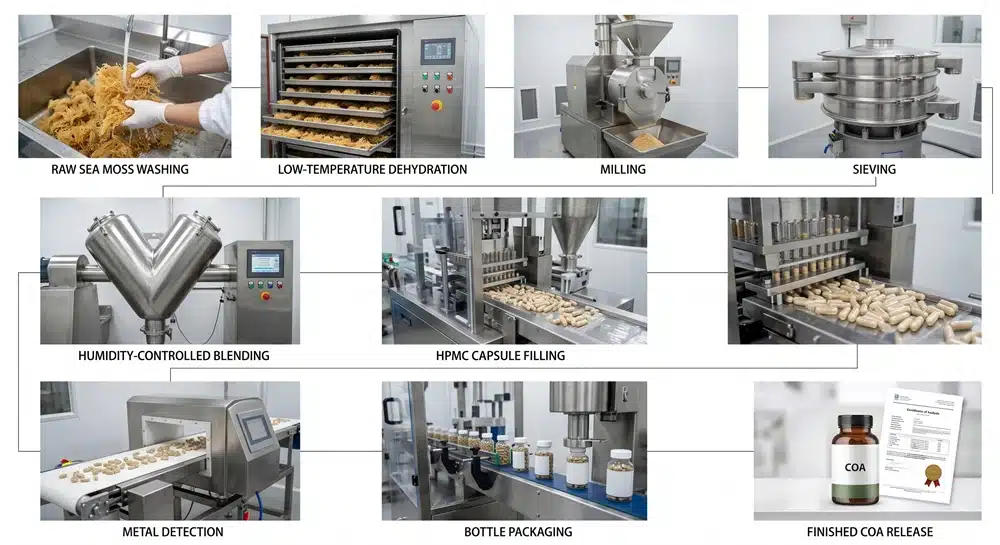
Viên nang rong biển chứa bột rong biển đã được sấy khô và xay mịn, được đóng gói vào vỏ viên nang, thường là viên nang thực vật HPMC nhằm hướng đến đối tượng người ăn chay. Viên nang giúp loại bỏ các vấn đề về mùi vị, kết cấu và việc bảo quản lạnh của dạng gel, đồng thời đảm bảo sự đồng nhất về khối lượng mỗi liều dùng.
Một dự án sản xuất viên nang tảo biển đáng tin cậy cần xác định khoảng nhiệt độ sấy khô, tỷ lệ mất khối lượng sau khi sấy, kích thước hạt hoặc dải kích thước lưới, mật độ thể tích, độ chảy và trọng lượng nạp mục tiêu cho mỗi viên nang. Nhà máy cần xác nhận tính đồng nhất của trọng lượng nạp, độ tan rã của sản phẩm thành phẩm, giới hạn vi sinh vật, hàm lượng i-ốt và các thông số kỹ thuật về sự giải phóng kim loại nặng.
Đối với các thương hiệu B2B, viên nang thường mang lại sự cân bằng tối ưu nhất giữa tính tiện lợi, độ ổn định khi bảo quản, khả năng phù hợp với thương mại điện tử và khả năng kiểm soát nhãn mác. Để đánh giá tính khả thi về mặt kỹ thuật, hãy hợp tác với một chuyên gia Sản xuất thực phẩm bổ sung dạng viên nang nhóm trước khi chốt kích thước viên nang, trọng lượng chất độn và bao bì.
So sánh trực tiếp: Gel và viên nang
Gel tảo biển giúp sản phẩm tan nhanh hơn do đã được ngâm nước sẵn, nhưng viên nang lại mang lại khả năng kiểm soát liều lượng tốt hơn và tính ổn định trong quá trình vận chuyển. Gel phù hợp nhất cho người dùng sinh tố, các liệu pháp chăm sóc da tại chỗ và định vị sản phẩm theo hướng sức khỏe tươi mới. Viên nang phù hợp nhất cho bán lẻ thực phẩm chức năng, du lịch, mô hình đăng ký định kỳ và các công thức kết hợp.
Đối với người tiêu dùng, dạng gel có thể mang lại cảm giác tự nhiên hơn. Đối với chủ sở hữu thương hiệu, viên nang thường dễ kiểm soát, thử nghiệm, dán nhãn, vận chuyển và mở rộng quy mô hơn.
| Tính năng | Gel rong biển | Viên nang rong biển |
|---|---|---|
| Khả năng hấp thu | Ngay lập tức. Vì nó đã được hòa tan trong nước, cơ thể sẽ hấp thu ngay lập tức. | Bị hoãn. Vỏ viên nang mất khoảng 20–30 phút để tan ra. |
| Thời hạn sử dụng | Ngắn. Hạn sử dụng trong 3–4 tuần. Phải bảo quản trong tủ lạnh. | Dài. Thời hạn sử dụng từ 1–2 năm. Có thể bảo quản ở nhiệt độ phòng. |
| Hương vị & Cấu trúc | Mạnh mẽ. Hương vị đất và biển, kết hợp với kết cấu giống như thạch. | Không có. Không mùi, không vị (nuốt vào là xong). |
| Sự tiện lợi | Thấp. Cần chuẩn bị, bảo quản lạnh và đo lường. | Cao. Dễ mang theo khi đi du lịch và đã được chia liều sẵn. |
| Tính linh hoạt | Cao. Ăn hay đeo (Khẩu trang/Tóc). | Thấp. Chỉ dành cho sử dụng nội bộ. |
Ma trận thông số kỹ thuật B2B
Khi lựa chọn giữa gel tảo biển và viên nang, các chủ thương hiệu nên so sánh các thông số kỹ thuật thay vì các khẩu hiệu quảng cáo. Các tiêu chí quan trọng nhất bao gồm thành phần hoạt chất, yếu tố quyết định thời hạn sử dụng, độ chính xác của liều lượng, các bài kiểm tra chất lượng, bao bì và sự phù hợp với kênh phân phối.
Gel tảo biển cần được đánh giá dựa trên các tiêu chí: độ hoạt động của nước, độ pH, thời hạn sử dụng vi sinh, quy trình vận chuyển lạnh và sự biến động về khối lượng mỗi phần dùng. Viên nang tảo biển cần được đánh giá dựa trên các tiêu chí: độ ẩm, kích thước lưới, trọng lượng chất nạp, vỏ viên nang, khả năng tan rã, kiểm tra kim loại nặng, định lượng i-ốt và độ ổn định của sản phẩm thành phẩm.
| Thông số kỹ thuật | Gel rong biển | Viên nang rong biển | Tại sao điều này lại quan trọng |
|---|---|---|---|
| Ma trận hoạt động | Gel ngậm nước có hàm lượng chất rắn thay đổi | Bột khô được bọc trong vỏ HPMC hoặc gelatin | Xác định độ chính xác của liều lượng và các thông tin ghi trên nhãn |
| Yếu tố quyết định thời hạn sử dụng | Hoạt độ nước, pH, bảo quản lạnh, kiểm soát vi sinh vật | Độ ẩm, tiếp xúc với oxy, lưu lượng bột, độ ổn định của vỏ | Gây ra rủi ro liên quan đến đóng gói, hậu cần và hàng trả lại |
| Độ chính xác của liều lượng | Tùy thuộc vào kích thước thìa | Lượng chất độn cố định, thường là 500–1.000 mg/viên nang | Dạng viên nang thuận tiện hơn cho việc chuẩn hóa thông tin dinh dưỡng |
| Các bài kiểm tra chất lượng | Vi sinh học, pH, chiến lược bảo quản, kim loại nặng | Thành phần, i-ốt, kim loại nặng, giới hạn phát hiện (LOD)/độ ẩm, vi sinh, độ tan rã | Xác định các yêu cầu về việc phê duyệt lô sản phẩm |
| Đóng gói | Hũ hoặc túi bảo quản lạnh | Chai HDPE/PET, chất hút ẩm, vỉ đựng | Ảnh hưởng đến chi phí vận chuyển và vị trí trưng bày trên kệ |
| Kênh phù hợp nhất | Sức khỏe tươi mới, quán sinh tố, dùng ngoài da | Thương mại điện tử, du lịch, thực phẩm chức năng bán lẻ, nhãn hiệu riêng | Hỗ trợ thiết kế sản phẩm theo từng kênh cụ thể |
Kiểm soát chất lượng và an toàn: Yếu tố thực sự tạo nên sự khác biệt
Vì rong biển mọc trong môi trường biển, nên chỉ ghi là “thu hoạch tự nhiên” là chưa đủ. Rong biển có thể hấp thụ cả chất dinh dưỡng lẫn các chất ô nhiễm từ nước nơi nó sinh trưởng. Một dự án thương mại cần phải có các tiêu chuẩn kỹ thuật bằng văn bản và thực hiện kiểm tra chất lượng từng lô sản phẩm trước khi đưa ra thị trường.
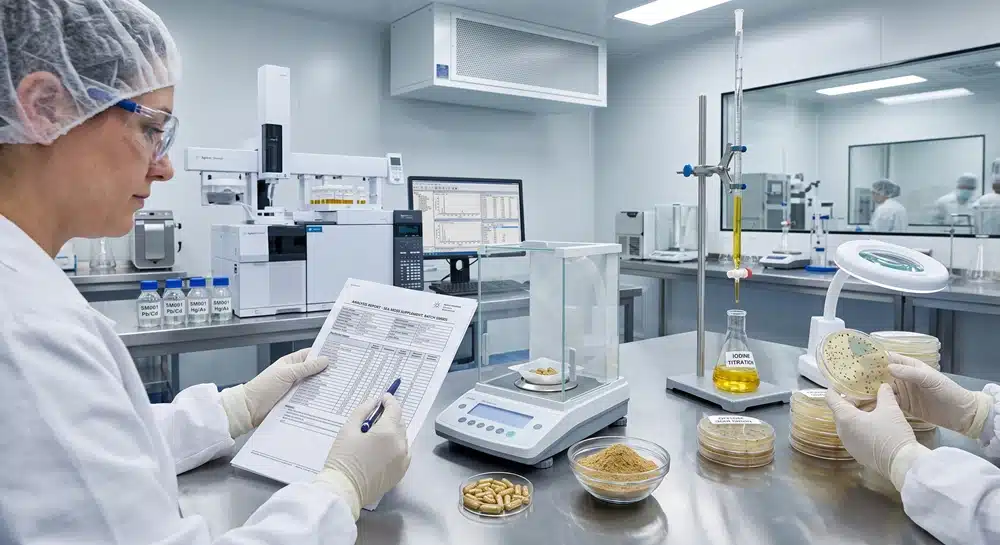
Các thử nghiệm trước khi xuất xưởng được khuyến nghị bao gồm xác minh danh tính/loài, định lượng i-ốt, phân tích kim loại nặng bằng phương pháp ICP-MS, tổng số vi sinh vật, nấm men và nấm mốc, E. coli, Salmonella, độ mất khối lượng khi sấy khô, và thử nghiệm độ tan rã của sản phẩm hoàn chỉnh đối với viên nang. Đối với các sản phẩm thực phẩm chức năng của Hoa Kỳ, các biện pháp kiểm soát này cần được tích hợp vào hồ sơ sản xuất chính, hồ sơ lô và các quy trình kiểm soát chất lượng theo các nguyên tắc cGMP tại 21 CFR Phần 111.
Ai nên sử dụng gel rong biển?
Hãy chọn gel tảo biển nếu người tiêu dùng coi trọng kết cấu, khả năng sử dụng trong sinh tố, việc chế biến tươi mới và tính linh hoạt khi sử dụng ngoài da. Gel là lựa chọn phù hợp khi sản phẩm được bán tại địa phương, tiêu thụ nhanh chóng và đi kèm hướng dẫn bảo quản lạnh. Loại sản phẩm này ít phù hợp hơn cho thương mại điện tử vận chuyển đường dài, trường hợp có rủi ro luân chuyển hàng tồn kho cao hoặc yêu cầu tiêu chuẩn hóa chính xác về thành phần dinh dưỡng.
Ai nên sử dụng viên nang rong biển?
Hãy chọn viên nang rong biển nếu thương hiệu cần liều lượng chính xác, độ ổn định khi bảo quản, sự tiện lợi khi mang theo khi đi du lịch, hệ thống logistics thương mại điện tử mạnh mẽ và rủi ro hư hỏng thấp hơn. Viên nang cũng phù hợp hơn cho các công thức kết hợp như rong biển với tảo bàng, rễ cây ngưu bàng, các khoáng chất vi lượng hoặc các thành phần chức năng khác. Đối với việc lập kế hoạch ra mắt sản phẩm, một Sản xuất thực phẩm chức năng mang thương hiệu riêng Đối tác có thể giúp so sánh kích thước viên nang, trọng lượng nguyên liệu, bao bì chất hút ẩm và số lượng đặt hàng tối thiểu (MOQ) trước khi đưa sản phẩm ra thị trường.
Còn bột, kẹo dẻo và viên nén thì sao?
Bột rong biển, kẹo dẻo và giọt cần được phân tích riêng theo từng dạng bào chế. Dạng bột mang lại sự linh hoạt nhưng có thể hút ẩm và dễ bị ảnh hưởng bởi mùi vị. Kẹo dẻo giúp người tiêu dùng tuân thủ liệu trình tốt hơn nhưng đòi hỏi công thức ổn định nhiệt và kiểm soát kết cấu cẩn thận. Dạng giọt có thể tiện lợi nhưng có thể cần xác nhận tính ổn định của chất bảo quản và dung dịch.
Để có cấu trúc nội dung tối ưu, trang này nên có các liên kết đến các bài viết chuyên sâu riêng biệt về so sánh Bột rong biển, Gel và Viên nang; so sánh Kẹo dẻo rong biển và Gel; cũng như Danh sách kiểm tra COA cho các loại Viên nang rong biển tốt nhất. Bài viết về kẹo dẻo rong biển nên liên kết đến Sản xuất thực phẩm bổ sung dạng kẹo dẻo và giải thích về pectin, gelatin, agar, carrageenan, kết cấu, tác động của nhiệt, cũng như các hạn chế về liều lượng hoạt tính.
Câu hỏi thường gặp
Kết luận
Việc so sánh gel tảo biển với viên nang không chỉ đơn thuần là lựa chọn giữa “thiên nhiên” và “đã qua chế biến”. Gel có độ ẩm cao, đa dụng và mang lại cảm giác hấp dẫn về mặt cảm xúc, nhưng lại khó tiêu chuẩn hóa và vận chuyển hơn. Viên nang tuy mang lại ít trải nghiệm hơn nhưng lại thực tế hơn về mặt định lượng chính xác, độ ổn định khi bảo quản, phân phối bán lẻ và sản xuất thực phẩm chức năng mang nhãn hiệu riêng.
Đối với người tiêu dùng, hãy chọn dạng sản phẩm phù hợp với thói quen hàng ngày. Đối với các thương hiệu, hãy chọn dạng sản phẩm có thể được kiểm tra, dán nhãn, đóng gói và sản xuất hàng loạt với chất lượng ổn định.
Bạn đang có ý định ra mắt thương hiệu thực phẩm bổ sung của riêng mình?
Nhu cầu thị trường đối với rong biển chất lượng cao và các sản phẩm bổ sung khoáng chất đang ở mức cao nhất từ trước đến nay. Tuy nhiên, đối với các thương hiệu mới, việc tìm nguồn cung ứng nguyên liệu sạch và đối tác sản xuất đáng tin cậy chính là rào cản lớn nhất trên con đường dẫn đến thành công.
Gensei is a premier Gia công thực phẩm chức năng dedicated to helping brands navigate this complex industry. Whether you are looking to create a custom sefaqa moss capsule, a complex mineral blend, or a delicious functional gummy, we provide the infrastructure to turn your concept into a shelf-ready product.
Của chúng tôi Dịch vụ sản xuất OEM Bao gồm:
- Các định dạng đa dạng: Chuyên môn về viên nang, viên nén, bột, kẹo dẻo và dung dịch.
- Nghiên cứu và Phát triển (R&D) & Công thức: Đội ngũ của chúng tôi sẽ hỗ trợ bạn tạo ra những công thức độc đáo và hiệu quả, giúp sản phẩm của bạn nổi bật trên thị trường cạnh tranh khốc liệt.
- Khả năng mở rộng: Chúng tôi là nhà sản xuất thực phẩm chức năng với số lượng đặt hàng tối thiểu (MOQ) thấp, chính vì vậy chúng tôi là đối tác lý tưởng cho cả các startup đang thử nghiệm thị trường lẫn các thương hiệu đã có tên tuổi đang muốn mở rộng quy mô.
- Dịch vụ trọn gói: Từ khâu tìm nguồn cung ứng nguyên liệu thô đến thiết kế bao bì theo yêu cầu.
Nếu quý vị đã sẵn sàng xây dựng một thương hiệu thực phẩm bổ sung chất lượng cao cùng với một đối tác am hiểu về khoa học và thị trường, chúng tôi xin mời quý vị hợp tác cùng chúng tôi.
Hãy liên hệ với Gensei ngay hôm nay để trao đổi về dự án của bạn và nhận báo giá phù hợp.
tài liệu tham khảo
- NIH ODS — Tờ thông tin về i-ốt dành cho các chuyên gia y tế: https://ods.od.nih.gov/factsheets/Iodine-HealthProfessional/
- FDA — Tài liệu tham khảo về cGMP đối với thực phẩm chức năng: https://www.fda.gov/food/dietary-supplements-guidance-documents-regulatory-information/backgrounder-final-rule-current-good-manufacturing-practices-cgmps-dietary-supplements
- eCFR — 21 CFR Phần 111: Các nguyên tắc thực hành sản xuất tốt hiện hành trong các hoạt động sản xuất, đóng gói, dán nhãn hoặc lưu trữ thực phẩm chức năng: https://www.ecfr.gov/current/title-21/chapter-I/subchapter-B/part-111
- NCBI LactMed — Rong biển: https://www.ncbi.nlm.nih.gov/books/NBK621050/
- PMC — Tiếp xúc với kim loại nặng qua chế độ ăn uống và lượng i-ốt hấp thu thông qua việc tiêu thụ rong biển và thực vật mặn trong dân số châu Âu: https://pmc.ncbi.nlm.nih.gov/articles/PMC9887633/
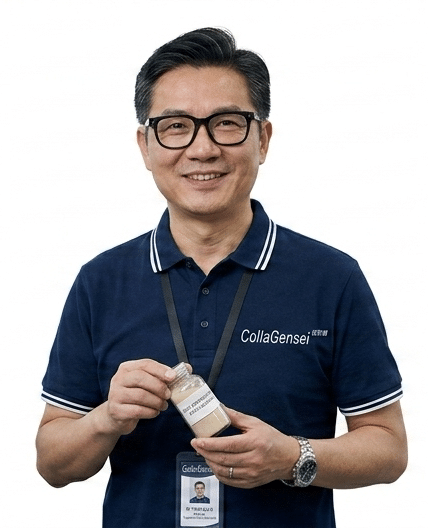
Warren Wan là một chuyên gia dày dạn với kinh nghiệm phong phú trong chuỗi cung ứng thực phẩm bổ sung, sở hữu kinh nghiệm thực tiễn sâu rộng trong nghiên cứu, phát triển, kiểm soát quy trình và tìm nguồn cung ứng toàn cầu các thành phần cốt lõi như peptit collagen, protein từ nước hầm xương và keratin. Với tư cách là tác giả của chuyên mục này, ông cam kết loại bỏ những lớp bao bọc tiếp thị, biến những kiến thức khoa học phức tạp về thành phần và các tiêu chuẩn kiểm soát chất lượng sản xuất thành những nội dung phổ biến khoa học dễ hiểu nhưng sâu sắc, giúp độc giả hiểu rõ sự thật đằng sau các nhãn mác và đưa ra những lựa chọn sức khỏe hợp lý hơn.


