
Bạn đã bao giờ đứng trước kệ thuốc, nhìn chằm chằm vào hai hộp thuốc giống hệt nhau và tự hỏi tại sao một hộp lại ghi “Viên nang” còn hộp kia lại ghi “Viên nén”? Đây là một điều thường gây nhầm lẫn. Nhìn qua, chúng trông rất giống nhau — cả hai đều có hình bầu dục, bề mặt nhẵn và được thiết kế để dễ nuốt. Tuy nhiên, xét về bản chất, chúng là hai dạng bào chế hoàn toàn khác nhau, với quy trình sản xuất riêng biệt và tác dụng khác nhau trong cơ thể.
Mặc dù cả hai dạng thuốc đều mang lại hiệu quả điều trị cao, nhưng chúng không thể thay thế cho nhau trong mọi trường hợp. Lựa chọn của bạn cuối cùng sẽ phụ thuộc vào ưu tiên cụ thể của bạn tại thời điểm đó: bạn cần giảm đau nhanh nhất có thể, phương án tiết kiệm nhất, hay viên thuốc dễ nuốt nhất? Trong bài viết này, chúng tôi sẽ phân tích chi tiết những điểm khác biệt về mặt vật lý, tốc độ phát huy tác dụng, cũng như ưu và nhược điểm của từng loại để giúp bạn đưa ra quyết định.
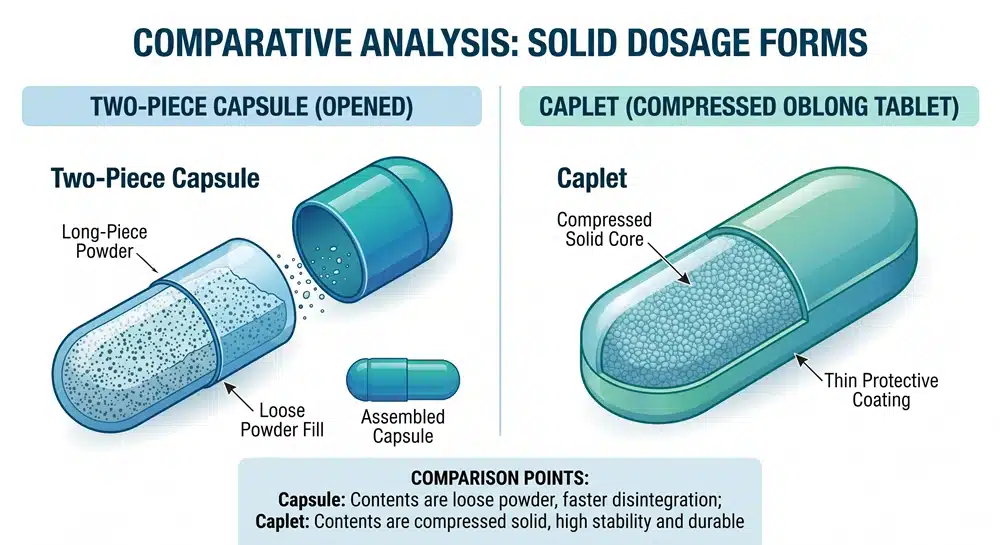
Câu trả lời ngắn gọn: Viên nang là một lớp vỏ gồm hai mảnh làm từ gelatin hoặc cellulose, bên trong chứa bột, viên nén nhỏ hoặc chất lỏng; nó thường che giấu mùi vị tốt và tan nhanh. Viên nén tròn dẹt là một viên nén trơn nhẵn, hình thuôn dài, được nén dưới áp suất cao; loại này thường rẻ hơn, có mật độ cao hơn, dễ bẻ đôi hơn khi có vạch chia, nhưng có thể mất nhiều thời gian hơn để tan rã so với viên nang.
Những điểm khác biệt về thể chất
Sự nhầm lẫn chủ yếu xuất phát từ việc một Nhà sản xuất thực phẩm bổ sung dạng viên nang có thể cố tình làm cho viên nén trông giống như viên nang. Tuy nhiên, một khi bạn cầm chúng lên, sự khác biệt sẽ trở nên rõ ràng.
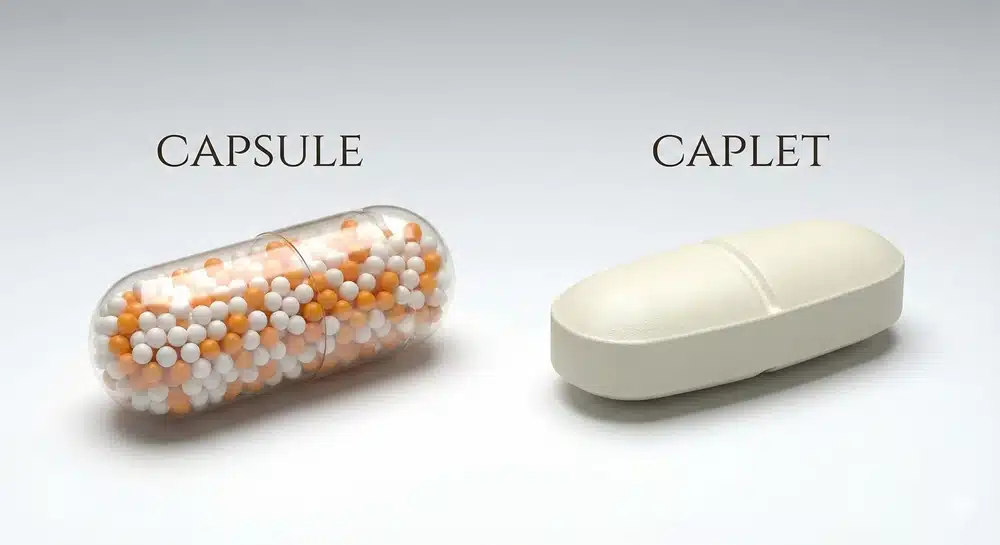
Viên nang, viên nén nhỏ và viên nén: Giải thích ngắn gọn
| Dạng bào chế | Định nghĩa đơn giản | Trông như thế nào | Bên trong có gì hay cách chế tạo ra nó như thế nào | Câu trả lời phù hợp nhất với ý định tìm kiếm |
| Viên nang | Một vỏ đạn chứa thuốc súng, viên đạn, hạt hoặc chất lỏng. | Thường có hình trụ hoặc hình bầu dục với hai đầu bo tròn. | Chất hoạt tính được bao bọc bên trong vỏ nang làm từ gelatin, HPMC hoặc các chất liệu khác. | Là lựa chọn tối ưu khi cần che lấp mùi vị, dễ nuốt hoặc cần vỏ viên tan nhanh hơn. |
| Viên nang | Một viên nén được ép thành hình thuôn dài giống như viên nang. | Cứng, nhẵn, hình bầu dục và thường được bao phim. | Chất hoạt tính được nén cùng với các tá dược như chất kết dính, chất độn, chất bôi trơn và chất phân rã. | Là lựa chọn tối ưu khi các yếu tố như chi phí, độ bền, mật độ liều cao hơn hoặc khả năng tách theo đường rãnh là yếu tố quan trọng. |
| Máy tính bảng | Một dạng bào chế rắn nén, thường có hình tròn, hình bầu dục hoặc hình dạng đặc biệt. | Cứng và chắc; có thể được phủ lớp hoặc không phủ lớp. | Hỗn hợp bột được nén dưới áp suất cao thành một khối rắn. | Phù hợp nhất khi công thức cần độ ổn định cao, hình dạng linh hoạt, khả năng giải phóng có kiểm soát hoặc chi phí sản xuất thấp hơn. |
Hình dáng & Cấu trúc
- Viên nang: Chúng thường có hình trụ với hai đầu tròn. Đặc điểm nổi bật nhất là bề mặt: vỏ ngoài mịn màng, bóng loáng và trở nên trơn trượt gần như ngay lập tức khi tiếp xúc với nước hoặc nước bọt. Chính độ trơn trượt này là yếu tố chính giúp chúng trượt xuống cổ họng một cách dễ dàng. Chúng cũng rất nhẹ và tạo cảm giác hơi “rỗng” do vỏ khá mỏng.
- Viên nén: A viên nang có kết cấu chắc và đặc. Mặc dù có hình dáng thuôn dài giống viên nang, nhưng nó lại cứng và rắn như đá. Viên thuốc được phủ một lớp màng mỏng (polymer hoặc đường) để bề mặt mịn hơn so với viên nén thô, nhưng lại không có cảm giác “trơn tru” như một viên nang gelatin.
Thành phần
- Viên nang (Vật chứa): Hãy hình dung viên nang như một phương tiện vận chuyển. Đó là một lớp vỏ gồm hai phần, bên trong chứa hoạt chất. Thuốc thường ở dạng bột lỏng, những viên nhỏ (hạt) hoặc dung dịch lơ lửng trong dầu. Nếu bạn tách đôi viên nang vỏ cứng ra, bột bên trong sẽ tràn ra ngoài.
- Viên nén (The Brick): Viên nén là một khối nguyên liệu được nén chặt. Hoạt chất được trộn với chất kết dính (chất kết dính) và chất độn, sau đó được ép dưới áp suất cao để tạo thành hình dạng. Thuốc không nằm “bên trong” một lớp vỏ; toàn bộ viên thuốc là loại thuốc được nén chặt lại với nhau.
Dễ sử dụng
Khi bạn cảm thấy không khỏe, điều cuối cùng bạn muốn là phải vất vả với việc dùng thuốc. Dưới đây là so sánh giữa hai phương pháp này về mặt trải nghiệm người dùng.
1. Dễ nuốt
-
🏆 Nhà vô địch: Capsules
Vỏ viên thuốc trở nên trơn trượt ngay khi tiếp xúc với nước, giúp viên thuốc trôi xuống cổ họng gần như không gặp trở ngại nào. Đây là lựa chọn tối ưu dành cho những người gặp khó khăn khi nuốt (rối loạn nuốt). -
Á quân: Viên nén
Mặc dù hình dáng thuôn dài của chúng là một cải tiến so với những viên nén tròn thô kệch, nhưng viên nén bao phim vẫn khá cứng và chắc. Chúng thiếu đi sự mềm dẻo và cảm giác “trơn tru” tự nhiên như viên nang.
2. Trung tính về mùi vị
-
🏆 Nhà vô địch: Capsules
Lớp vỏ được niêm phong kín tạo thành một lớp ngăn cách hoàn hảo và không có mùi vị. Bạn sẽ không cảm nhận được mùi vị của thuốc trừ khi lớp vỏ bị phá vỡ. -
Á quân: Viên nén
Viên nang mềm được bao phủ bởi một lớp đường hoặc polymer mỏng. Nếu bạn không nuốt ngay, lớp bao phủ này có thể tan ra, làm lộ vị đắng của các thành phần hoạt tính.
3. Tính linh hoạt trong việc chia liều
-
🏆 Nhà vô địch: Caplets
Vì là dạng viên nén, nhiều viên nén có vạch chia (được đánh dấu bằng một đường), giúp bạn có thể bẻ đôi để dùng nửa liều hoặc dễ nuốt hơn. -
Á quân: Capsules
Thông thường, viên nang không thể được điều chỉnh. Việc cắt viên nang sẽ khiến bột hoặc chất lỏng bên trong tràn ra ngoài, khiến việc định lượng một phần chính xác trở nên không thể.
Hiệu suất: Khả năng hấp thụ & Tốc độ
Khi bạn đang đau đớn, từng phút đều quý giá. Cấu trúc vật lý của viên thuốc quyết định tốc độ cơ thể bạn hấp thu thuốc.
Thời gian phân hủy: “Nhanh hơn” thực sự có nghĩa là gì?
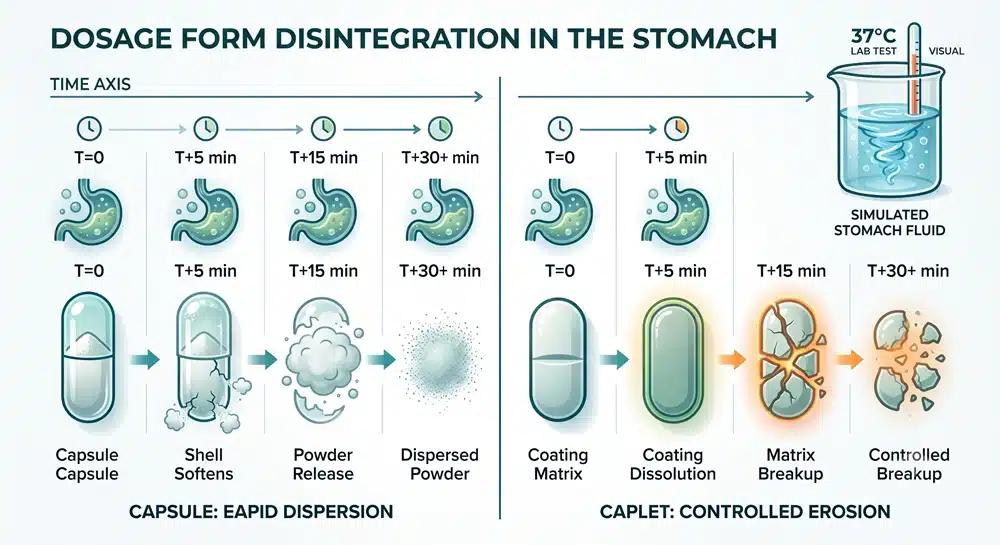
Trong sản xuất và kiểm soát chất lượng, bước đầu tiên quan trọng nhất là quá trình tan rã: dạng bào chế phải vỡ ra trước khi hoạt chất có thể hòa tan. Các phương pháp thử nghiệm của USP dành cho thực phẩm chức năng và dược phẩm sử dụng thiết bị và môi trường thử nghiệm tiêu chuẩn hóa, điều này hoàn toàn khác biệt so với thử nghiệm đơn giản tại nhà bằng “ly nước”. Trên thực tế, viên nang cứng thường giải phóng chất chứa sau khi vỏ nang mềm ra và mở ra, trong khi viên nén phải phá vỡ một ma trận nén bao gồm chất kết dính, chất độn, chất bôi trơn và chất phân rã.
Để giúp người tiêu dùng hiểu rõ hơn, cách diễn đạt an toàn nhất là như sau: viên nang thường bắt đầu giải phóng hoạt chất sớm hơn, nhưng viên nén bao phim vẫn có thể được thiết kế để giải phóng nhanh, giải phóng chậm hoặc giải phóng kéo dài. Đừng cho rằng mọi viên nang đều có tác dụng nhanh hay mọi viên nén đều có tác dụng chậm; hãy luôn kiểm tra nhãn sản phẩm để tìm các cụm từ “phóng thích ngay lập tức”, “phóng thích chậm”, “phủ lớp bảo vệ đường ruột” hoặc “phóng thích kéo dài”.”
Khả năng hấp thu
- Viên nang (The Sprinter): Viên nang thường có tác dụng nhanh hơn. Lớp vỏ bên ngoài được thiết kế để tan rã nhanh chóng trong dạ dày — thường chỉ trong vài phút. Khi lớp vỏ này tan rã, bột hoặc chất lỏng bên trong sẽ được giải phóng ngay lập tức và sẵn sàng để cơ thể hấp thu. Chứa chất lỏng Viên nang mềm thường là lựa chọn nhanh nhất trong số các phương án.
- Viên nén (Vận động viên marathon): Viên nén bao phim có tác dụng chậm hơn. Do đây là những khối bột và chất kết dính được nén rất chặt, nên axit dạ dày phải hoạt động mạnh hơn để phân hủy “khối nén” này thành các hạt có thể hấp thu được. Quá trình phân hủy này làm chậm trễ (thường là 20–30 phút) trước khi hoạt chất có thể hòa tan và được hấp thu.
Lưu ý quan trọng về các tuyên bố liên quan đến tốc độ: “Nhanh hơn” không tự động có nghĩa là “hiệu quả hơn”. Các sản phẩm dùng đường uống trước tiên phải tan rã, sau đó hòa tan, và chỉ khi đó hoạt chất mới có thể được hấp thu. Viên nang thường loại bỏ lớp vỏ bao bọc nhanh chóng, trong khi viên nén phải phân hủy trước từ một ma trận rắn nén chặt. Tuy nhiên, thời gian bắt đầu phát huy tác dụng thực tế phụ thuộc vào hoạt chất, loại lớp phủ, tá dược, nội dung dạ dày và liệu sản phẩm được thiết kế để giải phóng ngay lập tức, chậm hay kéo dài.
Hàm lượng hoạt chất & Liều lượng
- Viên nén: Do được nén dưới áp suất cao, các nhà sản xuất có thể đưa một lượng hoạt chất đậm đặc hơn vào một không gian nhỏ hơn. Nếu bạn cần dùng thuốc liều cao (như 800mg ibuprofen), viên nén thường có kích thước nhỏ hơn so với viên nang có cùng hàm lượng.
- Viên nang: Liều lượng bị giới hạn bởi thể tích của vỏ viên. Để nhận được lượng thuốc tương đương với một viên nén liều cao, bạn thường phải dùng một viên nang có kích thước lớn hơn—hoặc dùng hai viên.
Giới hạn kích thước viên nang: Tại sao các sản phẩm có liều lượng cao thường được sản xuất dưới dạng viên nén bao phim
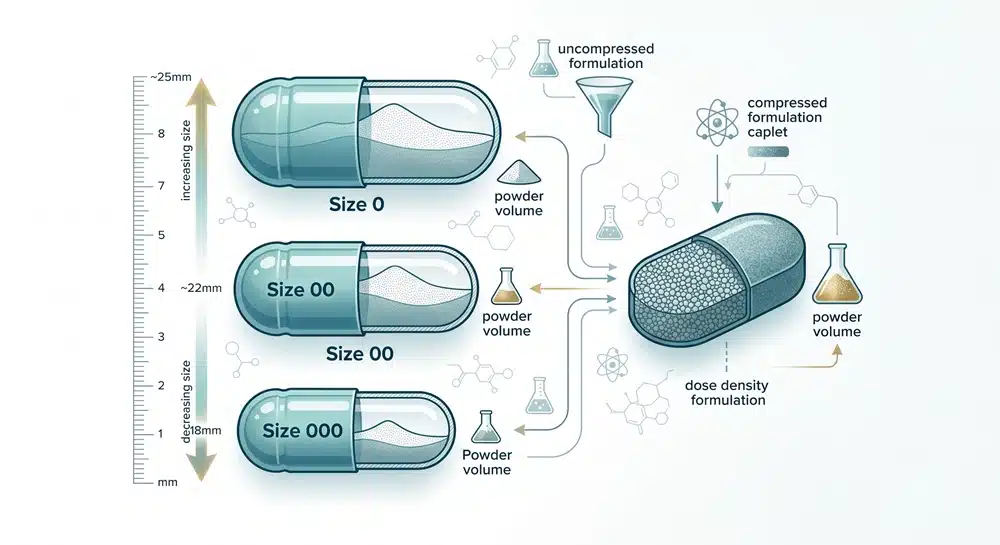
Một viên nang có thể tích bên trong cố định. Đây là lý do tại sao một công thức có liều lượng cao có thể trở nên quá lớn về mặt vật lý nếu được thiết kế dưới dạng viên nang. Ví dụ, một viên nang cỡ 00 có thể chứa khoảng 0,95 ml. Tùy thuộc vào độ đặc của bột, lượng nguyên liệu có thể nằm trong khoảng 570–950 mg, nhưng một loại bột thực vật xốp có thể chứa ít hơn nhiều so với một hỗn hợp khoáng chất đặc.
| Quyết định về định dạng | Ý nghĩa thực tiễn |
| Các chiết xuất thực vật liều thấp, vitamin, men vi sinh, các thành phần nhạy cảm với mùi | Viên nang thường rất tiện lợi vì việc che lấp mùi vị và sự thoải mái của người tiêu dùng là những yếu tố quan trọng. |
| Các loại khoáng chất liều cao, canxi, magiê hoặc các công thức đa thành phần có hàm lượng cao | Viên nén tròn/viên nén có thể tiện lợi hơn vì quá trình ép viên có thể làm tăng mật độ liều. |
| Công thức này yêu cầu sử dụng viên nang cỡ 000 hoặc nhiều viên nang cho mỗi liều dùng | Hãy cân nhắc sử dụng viên nén nhỏ, viên nén, bột hoặc liều chia nhỏ để nâng cao mức độ tuân thủ điều trị. |
| Đối tượng người tiêu dùng bao gồm trẻ em, người cao tuổi hoặc những người bị rối loạn nuốt | Tránh dùng viên nang quá to; hãy dùng viên nang nhỏ hơn, viên nén bao phim, bột, kẹo dẻo hoặc dạng lỏng tùy theo công thức. |
Viên nang hay viên nén: Loại nào đắt hơn?
Khi đứng ở quầy thuốc để so sánh giá, bạn sẽ thấy rằng hầu như viên nang luôn đắt hơn viên nén.
Sự chênh lệch về giá chủ yếu xuất phát từ mức độ phức tạp trong quá trình sản xuất:
- Viên nang: Quá trình sản xuất viên nang là một quy trình chậm hơn và phức tạp hơn. Quá trình này bao gồm việc sản xuất hai lớp vỏ riêng biệt làm từ gelatin hoặc cellulose, sau đó đổ vào đó một lượng bột hoặc chất lỏng chính xác, rồi hàn kín lại. Chi phí sản xuất cao hơn này thường được chuyển sang người tiêu dùng.
- Viên nén: Vì viên nén bao phim về cơ bản chỉ là bột được nén chặt, ép thành hình dạng nhất định và phủ một lớp bao phim đơn giản, nên việc sản xuất hàng loạt loại thuốc này nhanh hơn và rẻ hơn nhiều. Nếu bạn đang tìm kiếm phương án tiết kiệm nhất, viên nén bao phim thường là lựa chọn phù hợp với túi tiền.
Từ góc độ của nhà sản xuất thực phẩm chức năng, sự chênh lệch chi phí không chỉ nằm ở vỏ viên. Viên nang đòi hỏi phải kiểm tra tính tương thích của vỏ, kiểm soát độ chảy của bột, độ chính xác khi nạp viên, kiểm soát độ ẩm, và đôi khi là quá trình quấn băng hoặc hàn kín. Viên nén đòi hỏi nhiều công đoạn phát triển quy trình ép hơn, nhưng một khi công thức đã đạt được độ chảy và khả năng nén tốt, máy ép viên tốc độ cao có thể hoạt động rất hiệu quả khi sản xuất quy mô lớn.
Đối với các thương hiệu thực phẩm chức năng mang nhãn hiệu riêng, câu hỏi quan trọng nhất về chi phí không phải là “viên nang hay viên nén?” mà là “dạng bào chế nào có thể cung cấp liều lượng mục tiêu với ít khiếu nại nhất từ người tiêu dùng, bao bì đơn giản nhất và rủi ro phải làm lại thấp nhất?” Nếu công thức có liều lượng thấp và nhạy cảm với mùi vị, viên nang có thể xứng đáng với mức giá cao hơn. Nếu công thức có liều lượng cao và dùng hàng ngày, viên nén thường mang lại chi phí trên mỗi liều hoạt chất thấp hơn.
Hậu trường: Những điểm khác biệt trong sản xuất
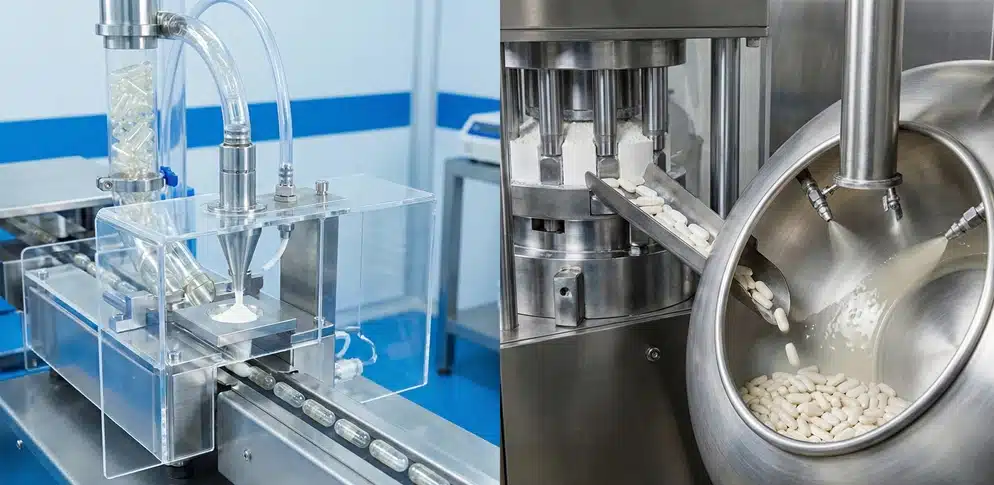
Mặc dù khi cầm trên tay, chúng có thể trông giống nhau, nhưng quá trình từ nguyên liệu thô đến thành phẩm của viên nang và viên nén lại hoàn toàn khác biệt. Việc hiểu rõ các quy trình này sẽ giúp giải thích tại sao chi phí và tính chất vật lý của chúng lại khác nhau đến vậy.
The Capsule: Quy trình lắp ráp
Hãy hình dung việc sản xuất viên nang giống như một dây chuyền lắp ráp thu nhỏ. Quá trình này bắt đầu từ những vỏ viên nang rỗng đã được định hình sẵn, được sản xuất riêng biệt từ gelatin hoặc cellulose thực vật.
Trong Sản xuất thực phẩm bổ sung dạng viên nang, người ta sử dụng các máy móc chuyên dụng để xử lý chính xác những vỏ thuốc mỏng manh này. Máy sẽ tách hai phần (thân và nắp), đổ vào thân một lượng chính xác bột, chất lỏng hoặc viên nén, sau đó đóng chặt nắp vào thân để niêm phong. Quy trình này rất phức tạp, thường chậm hơn so với sản xuất viên nén và đòi hỏi phải kiểm soát môi trường nghiêm ngặt — độ ẩm quá cao có thể khiến các vỏ thuốc rỗng trở nên dính và không thể sử dụng được ngay cả trước khi được đổ đầy.
Caplet: Một quy trình nén
Quá trình sản xuất viên nén bao phim về cơ bản là quá trình nướng và đúc công nghiệp. Trước tiên, hoạt chất được trộn với các tá dược — các thành phần như chất kết dính (chất keo để giữ các thành phần lại với nhau), chất độn (để tăng khối lượng) và chất phân rã (để giúp viên nén tan ra trong dạ dày sau này).Các tá dược thường dùng trong viên nén bao phim có thể bao gồm cellulose vi tinh thể làm chất độn hoặc chất hỗ trợ nén, natri croscarmellose hoặc crospovidone làm chất phân hủy, stearat magiê làm chất bôi trơn, và các polyme phủ màng để cải thiện hình thức và che giấu mùi vị. Hệ thống tá dược cụ thể phụ thuộc vào hoạt chất, độ cứng mục tiêu, đường cong hòa tan, lựa chọn lớp phủ và các yêu cầu ghi nhãn.
Hỗn hợp bột này được đưa vào một máy ép viên tốc độ cao cỡ lớn. Các khuôn thép sử dụng áp lực cực lớn để ép bột thành một “viên gạch” hình bầu dục, rắn chắc và đặc. Ở giai đoạn này, nó chỉ là một viên thuốc đã được định hình. Bước cuối cùng là lăn những viên thuốc rắn này trong các thùng phủ lớn, nơi một lớp màng polymer hoặc đường mịn được phun lên bề mặt để tạo ra viên thuốc hoàn chỉnh, dễ nuốt.
Ưu và nhược điểm của viên nang so với viên nén
| Tính năng | Viên nang | Viên nang | Giải Nhất / Ứng dụng xuất sắc nhất |
| Cấu trúc cơ bản | Vỏ hai mảnh hoặc vỏ mềm dùng để đựng bột, viên nén, hạt hoặc chất lỏng. | Viên nén dạng viên nang và thường được bao phim. | Tùy thuộc vào công thức. |
| Cơ chế sản xuất | Lắp ráp vỏ + chiết rót + đóng nắp/niêm phong; yêu cầu phải xử lý vỏ và kiểm soát độ ẩm. | Trộn bột + tạo hạt/ép viên + phủ lớp; đòi hỏi phải kiểm soát độ nén và độ cứng. | Viên nén dùng cho quy mô sản xuất tốc độ cao; viên nang dùng để che lấp vị đắng của vỏ. |
| Các vật liệu thông thường | Gelatin, HPMC, pullulan, hệ thống gelatin/chất làm dẻo cho viên nang mềm. | Hoạt chất cùng với các tá dược như chất độn, chất kết dính, chất phân rã, chất bôi trơn và chất phủ. | Viên nang giúp việc nạp thuốc dễ dàng hơn; viên nén đặc dùng cho dạng bào chế rắn đặc. |
| Che lấp mùi vị và mùi | Cứng; vỏ ngăn cách phần nhân với miệng. | Từ trung bình đến mạnh; tùy thuộc vào chất lượng lớp phủ và tốc độ nuốt vào. | Viên nang. |
| Cảm giác khi nuốt | Mềm mịn/trơn trượt sau khi thấm nước; thường được ưa chuộng cho những người dùng dễ bị khó nuốt. | Mịn nhưng cứng và đặc; tốt hơn viên nén tròn nhưng ít trơn trượt hơn viên nang. | Viên nang. |
| Mật độ liều | Bị giới hạn bởi thể tích vỏ đạn và mật độ thuốc súng. | Càng cao thì độ nén càng lớn, giúp chứa được nhiều vật liệu hơn trong một thể tích nhỏ hơn. | Viên nang. |
| Chia liều / dùng nửa liều | Thông thường không phù hợp; chất lỏng bên trong có thể bị tràn ra ngoài và độ chính xác của liều lượng sẽ bị mất. | Chỉ có thể thực hiện được nếu sản phẩm đã được chia liều và nhãn sản phẩm/dược sĩ cho phép chia liều. | Dạng viên nén, cần thận trọng. |
| Logic phân rã | Vỏ sẽ mở ra/mềm đi trước khi chất lấp đầy được xả ra. | Ma trận nén phải vỡ ra trước khi quá trình hòa tan mới có thể tiếp tục. | Viên nang thường có tác dụng nhanh hơn, nhưng thiết kế cơ chế giải phóng hoạt chất cũng rất quan trọng. |
| Chi phí khi sản xuất hàng loạt | Thường cao hơn do chi phí vỏ, độ phức tạp trong quá trình chiết rót và việc kiểm soát độ ẩm. | Thường có giá trị thấp hơn sau khi công thức được tối ưu hóa cho quá trình nén. | Viên nang. |
| Ứng dụng B2B tốt nhất | Các hỗn hợp chiết xuất từ thực vật, men vi sinh, thành phần khử mùi, định vị sản phẩm thuần chay/HPMC, các dạng sản phẩm chứa chất lỏng. | Khoáng chất liều cao, sản phẩm dùng hàng ngày, viên nén bao phim, dạng phóng thích điều chỉnh, công thức tiết kiệm chi phí. | Chọn dựa trên liều lượng, mật độ, các tuyên bố và định vị thị trường. |
Cách sử dụng hiệu quả nhất: Lựa chọn đúng đắn
Phần này của chúng tôi Hướng dẫn về thực phẩm chức năng dạng viên nang sẽ giúp bạn quyết định nên để loại thuốc nào trong tủ thuốc dựa trên nhu cầu sức khỏe cụ thể của bạn. Không có một lựa chọn “tốt nhất” duy nhất nào cả; lựa chọn phù hợp hoàn toàn phụ thuộc vào lý do bạn dùng thuốc hoặc thực phẩm chức năng đó.
Lưu ý về tuân thủ dành cho các thương hiệu thực phẩm bổ sung: Nếu sản phẩm là thực phẩm bổ sung, hãy tránh sử dụng các từ ngữ liên quan đến điều trị bệnh như “điều trị”, “chữa khỏi” hoặc “phòng ngừa”, trừ khi tuyên bố đó được pháp luật cho phép. Tại Hoa Kỳ, các tuyên bố về cấu trúc/chức năng phải có bằng chứng xác thực và kèm theo lời cảnh báo phù hợp theo quy định của FDA. Đối với các sản phẩm dạng viên nang, cũng cần xác nhận xem vỏ viên nang được làm từ gelatin, HPMC, pullulan hay chất liệu khác, vì người tiêu dùng thuần chay, Halal, Kosher và những người nhạy cảm với chất gây dị ứng có thể kiểm tra thông tin này trước khi mua hàng.
Hãy chọn CAPSULE nếu:
- Tốc độ là ưu tiên hàng đầu của bạn (Các triệu chứng cấp tính): Khi bạn bị đau đầu dữ dội, cơn dị ứng đột ngột hoặc cơn đau cấp tính, bạn sẽ muốn được giảm đau nhanh nhất có thể. Khả năng tan nhanh của viên nang (đặc biệt là viên nang mềm chứa dung dịch) khiến nó trở thành lựa chọn tối ưu để phát huy tác dụng ngay lập tức.
- Bạn gặp khó khăn khi nuốt (khó nuốt): Nếu bạn đang mua cho trẻ em, người cao tuổi trong gia đình, hoặc cho chính mình nếu bạn gặp khó khăn khi nuốt thuốc viên, thì viên nang với bề mặt trơn láng sẽ dễ nuốt hơn nhiều so với viên nén cứng.
- Bạn có dạ dày nhạy cảm: Nhiều người dùng nhận thấy rằng viên nang ít gây kích ứng niêm mạc dạ dày hơn. Nếu một số thành phần trong viên nén gây khó chịu cho hệ tiêu hóa của bạn, việc chuyển sang dùng dạng viên nang thường có thể giúp giảm bớt cảm giác khó chịu đó.
- Vị là yếu tố quyết định: Nếu bạn có phản xạ nôn mửa nhạy cảm và không chịu được vị bột phấn hoặc đắng đôi khi lọt qua lớp vỏ viên nén, thì viên nang không mùi, không vị là lựa chọn tốt nhất.
Hãy chọn CAPLET nếu:
- Bạn đang có ngân sách hạn hẹp (Bảo trì hàng ngày): Đối với các loại vitamin tổng hợp dùng hàng ngày hoặc thuốc điều trị duy trì lâu dài (như thuốc hạ huyết áp, nơi tốc độ phát huy tác dụng không phải là yếu tố quyết định), sự chênh lệch về chi phí sẽ ngày càng lớn. Viên nén bao phim hầu như luôn là lựa chọn tiết kiệm hơn cho việc sử dụng lâu dài.
- Bạn cần liều lượng cao: Nếu bác sĩ kê đơn liều cao của một loại thực phẩm bổ sung như canxi hoặc magiê, viên nén bao phim thường có thể cung cấp lượng đó trong một viên thuốc có kích thước tổng thể nhỏ hơn so với viên nang cồng kềnh.
- Bạn cần chia nhỏ liều lượng: Nếu bạn cần giảm liều thuốc dần dần hoặc dùng nửa liều do cơ thể nhạy cảm, bạn phải chọn viên nén có vạch chia. Bạn không thể chia đôi viên nang.
- Bạn cần loại thuốc giải phóng kéo dài: Nếu bạn cần loại thuốc có tác dụng kéo dài hơn 12 hoặc 24 giờ, viên nén bao phim là lựa chọn phù hợp hơn cho các công thức “giải phóng chậm” chuyên biệt, giúp thuốc tan chậm trong ruột.
Dành cho các thương hiệu: Cách chọn định dạng phù hợp trước khi sản xuất
Trước khi lựa chọn dạng viên nang hay viên nén cho một sản phẩm thực phẩm chức năng, hãy xem xét năm câu hỏi sau đây liên quan đến quy trình sản xuất:
- 1. Liều lượng mục tiêu: Liệu một khẩu phần đầy đủ có thể được đóng gói sao cho thuận tiện cho người tiêu dùng không? kích thước viên nang, hay liệu mỗi phần ăn có cần quá nhiều viên nang không?
- 2. Tính chất của bột: Hỗn hợp này có độ chảy đủ tốt để đóng vào viên nang hay có khả năng nén tốt hơn để tạo thành viên nén ổn định?
- 3. Lời hứa với người tiêu dùng: Lợi ích chính là che lấp mùi vị, dễ nuốt, tiết kiệm chi phí, liều lượng cao hay giải phóng có kiểm soát?
- 4. Định vị nhãn sản phẩm: Thị trường có yêu cầu định vị theo tiêu chuẩn thuần chay, Halal, Kosher, nhãn sạch, không đường hay thân thiện với người dị ứng không?
- 5. Các yếu tố kinh tế liên quan đến bao bì: Liệu định dạng này có làm tăng kích thước chai, trọng lượng vận chuyển, nhu cầu kiểm tra độ ổn định hay số lượng khiếu nại của khách hàng hay không?
Một nhà sản xuất thực phẩm chức năng chuyên nghiệp cần đánh giá độ đặc của công thức, khả năng chảy, tính hút ẩm, khả năng tương thích với vỏ viên, đặc tính nén, các phương án phủ lớp và độ ổn định của sản phẩm thành phẩm trước khi đề xuất sử dụng viên nang hay viên nén.
Câu hỏi thường gặp
Caplet là gì?
Viên nén hình viên nang là loại viên nén được ép thành hình dạng trơn nhẵn, thuôn dài giống như viên nang. Loại viên này có kết cấu rắn chắc như viên nén thông thường nhưng được thiết kế để dễ nuốt hơn so với nhiều loại viên nén tròn.
Sự khác biệt giữa viên nang và viên nén là gì?
Viên nang là một lớp vỏ chứa bột, viên nén nhỏ, hạt hoặc chất lỏng. Viên nén dạng nang là một viên nén rắn được nén chặt có hình dạng giống viên nang. Viên nang thường che giấu mùi vị tốt và có thể giải phóng nội dung bên trong nhanh hơn, trong khi viên nén dạng nang thường có mật độ cao hơn, rẻ hơn khi sản xuất hàng loạt và dễ chia hơn nếu có vạch chia.
Sự khác biệt giữa viên nang và viên nén là gì?
Viên nén tròn dẹt (caplet) đơn giản là một loại viên nén cụ thể. Điểm khác biệt chính nằm ở hình dạng: viên nén tròn dẹt luôn có hình thuôn dài và bề mặt nhẵn, trong khi viên nén thông thường có thể có hình tròn, hình bầu dục, dạng nhai, dạng sủi bọt, dạng bọc hoặc hình dạng tùy chỉnh.
Viên nang có tác dụng nhanh hơn viên nén không?
Viên nang thường bắt đầu giải phóng dược chất sớm hơn vì vỏ viên nang tan ra và mở ra trước khi phần nhân bên trong phân tán. Tuy nhiên, thời điểm bắt đầu phát huy tác dụng thực tế hoàn toàn phụ thuộc vào hoạt chất, lớp phủ chuyên dụng, tá dược được sử dụng, nội dung dạ dày, cũng như việc sản phẩm được thiết kế để giải phóng ngay lập tức, giải phóng chậm hay giải phóng kéo dài.
Viên nén có rẻ hơn viên nang không?
Thường thì đúng vậy. Viên nén có thể tiết kiệm chi phí hơn khi sản xuất với quy mô lớn vì chúng là dạng rắn nén và không cần phải mua vỏ nang riêng. Tuy nhiên, việc thêm các lớp phủ phức tạp, xử lý nguyên liệu thô khó hoặc tạo ra các đặc tính giải phóng thuốc chuyên biệt có thể làm tăng chi phí sản xuất tổng thể.
Có thể bẻ đôi viên nén không?
Chỉ nên chia viên nén khi viên thuốc đó có vạch chia rõ ràng và nhãn thuốc, dược sĩ hoặc chuyên gia y tế của bạn xác nhận rằng việc làm đó là an toàn. Tuyệt đối không được chia các loại thuốc giải phóng kéo dài, giải phóng chậm, có lớp bao tan trong ruột hoặc không có vạch chia, trừ khi có chỉ định cụ thể từ chuyên gia y tế.
Có thể mở hoặc tách viên nang ra được không?
Không được mở hoặc bẻ viên nang trừ khi nhãn sản phẩm hoặc chuyên gia y tế nêu rõ rằng việc này được phép. Việc mở viên nang có thể làm ảnh hưởng tiêu cực đến khả năng che lấp mùi vị, làm giảm độ chính xác của liều lượng, tăng nguy cơ kích ứng dạ dày hoặc làm gián đoạn hoàn toàn cơ chế giải phóng thuốc theo thiết kế.
Viên nang HPMC có phải là sản phẩm thuần chay không?
Đúng vậy, viên nang HPMC (Hydroxypropyl Methylcellulose) được làm từ cellulose thực vật và là tiêu chuẩn ngành cho các sản phẩm viên nang dành cho người ăn chay hoặc thuần chay. Các thương hiệu thực phẩm bổ sung vẫn nên kiểm tra kỹ lưỡng và xác minh các chứng nhận của nhà cung cấp để đảm bảo sản phẩm đáp ứng các tiêu chí thuần chay, Halal, Kosher, không chứa chất gây dị ứng và không biến đổi gen.
Đối với các thương hiệu thực phẩm chức năng, loại nào tốt hơn: viên nang hay viên nén?
Nên chọn viên nang khi cần che giấu mùi vị, công thức liều thấp, định vị sản phẩm cao cấp hoặc các lựa chọn vỏ viên dành cho người ăn chay. Nên chọn viên nén khi cần mật độ liều cao, chi phí trên mỗi đơn vị thấp, độ bền hoặc tính năng chia liều theo vạch chia. Quyết định cuối cùng nên dựa trên mật độ công thức, khả năng chảy, khả năng nén, bao bì và các thử nghiệm về độ ổn định.
Kết luận
Lần tới khi bạn lướt qua các kệ thuốc, hãy nhớ rằng sự khác biệt giữa “viên nang” và “viên nén nhỏ” không chỉ đơn thuần là vấn đề từ ngữ. Mặc dù các đội ngũ tiếp thị đã tạo ra “viên nén nhỏ” nhằm kết hợp những ưu điểm của cả hai dạng – độ bền của viên nén cùng hình dáng dễ uống hơn của viên nang – nhưng về cơ bản, chúng vẫn là hai phương tiện đưa thuốc vào cơ thể hoàn toàn khác nhau.
Khuyến nghị cuối cùng: Hãy luôn lật mặt sau của hộp. Kiểm tra danh sách “thành phần không hoạt tính” để tìm các chất có thể gây dị ứng như gelatin hoặc gluten, đồng thời chú ý đến các thuật ngữ như “phóng thích nhanh” hoặc “phóng thích kéo dài” để đảm bảo sản phẩm phù hợp với nhu cầu hiện tại của bạn. Nếu còn băn khoăn, dược sĩ tại địa phương chính là nguồn thông tin đáng tin cậy nhất để giúp bạn đưa ra quyết định cuối cùng.
Nếu quý vị đang tìm kiếm một đối tác đáng tin cậy trong lĩnh vực sản xuất, Gensei là một cái tên không thể thiếu trong bất kỳ danh sách nào về các nhà sản xuất chất lượng cao, chuyên về cả thực phẩm chức năng và thực phẩm chức năng dạng viên nang. Liên hệ với Gensei Hãy liên hệ ngay hôm nay để tìm hiểu về các tính năng của chúng.
tài liệu tham khảo
- USP <2040> Disintegration and Dissolution of Dietary Supplements
- USP <701> Disintegration
- Markl D, Zeitler JA. Tổng quan về các cơ chế phân rã và kỹ thuật đo lường. Pharm Res. 2017.
- Almukainzi M và các cộng sự. Nghiên cứu về hiệu quả của thử nghiệm độ tan rã đối với thực phẩm chức năng. AAPS PharmSciTech. 2010.
- Các tuyên bố trên nhãn sản phẩm của FDA đối với thực phẩm và thực phẩm bổ sung
- Các tuyên bố về cấu trúc và chức năng của FDA
- Hướng dẫn tuân thủ dành cho các doanh nghiệp nhỏ của FDA: Thực hành sản xuất tốt hiện hành đối với thực phẩm chức năng
- eCFR 21 CFR Phần 111 – Thực hành sản xuất tốt hiện hành trong các hoạt động sản xuất, đóng gói, dán nhãn hoặc lưu trữ thực phẩm chức năng
- Healthline – Viên nang và viên nén: Các loại, điểm khác biệt, ưu và nhược điểm
- Bảng kích thước viên nang Collagensei

Warren Wan là một chuyên gia dày dạn với kinh nghiệm phong phú trong chuỗi cung ứng thực phẩm bổ sung, sở hữu kinh nghiệm thực tiễn sâu rộng trong nghiên cứu, phát triển, kiểm soát quy trình và tìm nguồn cung ứng toàn cầu các thành phần cốt lõi như peptit collagen, protein từ nước hầm xương và keratin. Với tư cách là tác giả của chuyên mục này, ông cam kết loại bỏ những lớp bao bọc tiếp thị, biến những kiến thức khoa học phức tạp về thành phần và các tiêu chuẩn kiểm soát chất lượng sản xuất thành những nội dung phổ biến khoa học dễ hiểu nhưng sâu sắc, giúp độc giả hiểu rõ sự thật đằng sau các nhãn mác và đưa ra những lựa chọn sức khỏe hợp lý hơn.


