One important clarification: the hair-care comparison should be between hydrolyzed keratin and hydrolyzed pea protein, not hydrolyzed keratin and ordinary food-grade pea protein isolate. Hydrolysis changes molecular size and cosmetic behavior, so a protein powder designed for nutrition should not automatically be treated as a hair-conditioning active.
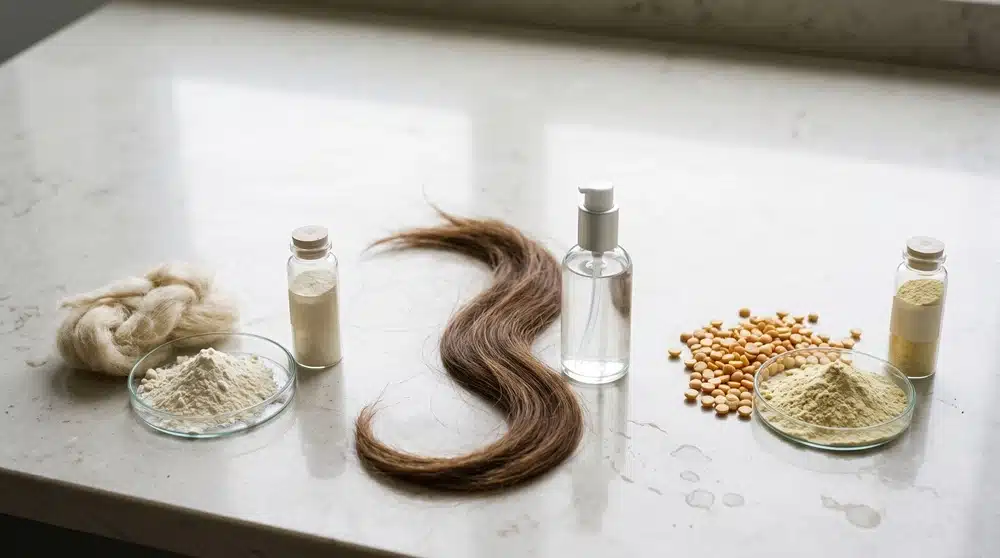
Hydrolyzed Keratin vs Pea Protein for Hair: Core Differences
| Factor | Hydrolyzed Keratin | Hydrolyzed Pea Protein | Formulation Meaning |
|---|---|---|---|
| Source | Usually animal-derived keratin materials such as wool or feathers | Plant-derived pea protein | Directly affects vegan, source and traceability claims |
| Protein identity | Keratin-derived peptides and amino acids | Pea-derived peptides and amino acids | Pea protein is not true keratin |
| Typical positioning | Damaged-hair conditioning, strength, repair-focused story | Plant-based conditioning, film-forming and vegan-friendly story | Claim language should match finished-product evidence |
| Published hair-fiber evidence | More direct peer-reviewed research is available | Direct hair-fiber evidence specific to pea protein hydrolysate is more limited | Do not assume equal evidence strength |
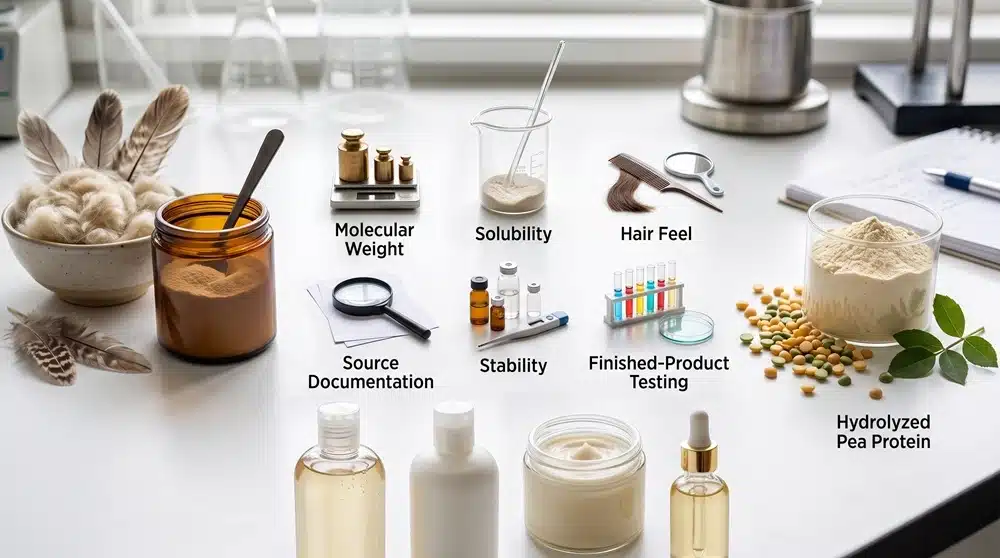
| Molecular-weight importance | High: peptide size affects penetration versus surface deposition | High: hydrolysis degree affects solubility, peptide profile and sensory behavior | Request molecular-weight or hydrolysis specifications |
| Vegan status | Usually not vegan when sourced from animal keratin | Plant-derived and compatible with vegan positioning if the full formula qualifies | Verify source documents rather than relying on the word “keratin” |
| Best fit | Repair masks, conditioners, intensive treatments, protein-focused hair products | Plant-based shampoos, conditioners, leave-ins and vegan hair-care concepts | Final choice depends on formula architecture and target consumer |
What Is Hydrolyzed Keratin?
Keratin is a structural protein naturally found in hair, nails and the outer layers of skin. Native keratin is highly cross-linked and poorly soluble. Hydrolysis breaks keratin into smaller peptide and amino-acid fractions that can be dispersed more easily in cosmetic systems.
Published hair-fiber studies show why molecular weight matters. Lower- and mid-molecular-weight keratin peptides can penetrate more deeply into damaged hair fibers, while larger fractions tend to remain closer to the surface. Other studies have reported improvements in mechanical properties or protection under specific test conditions. These findings support a cosmetic conditioning and damage-repair narrative, but they do not justify claims that a topical product permanently rebuilds living hair or treats hair-loss disease.
For sourcing projects, review the exact bulk hydrolyzed keratin specification, including source material, hydrolysis method, molecular-weight distribution, protein/peptide content, odor, color, solubility, microbial limits and heavy metals.
What Is Hydrolyzed Pea Protein?
Hydrolyzed pea protein is produced by partially breaking pea proteins into smaller peptide fractions. This is different from standard pea protein isolate or concentrate, which is primarily sold as a nutritional protein ingredient. In hair-care development, hydrolyzed pea protein is selected for plant-based positioning and for the functional behavior of its peptide mixture in a finished cosmetic system.
The exact performance depends on the ingredient grade. Two materials both labeled “hydrolyzed pea protein” can differ in degree of hydrolysis, peptide-size distribution, solids, carrier system, odor, color, pH, preservation system and solubility. Brands should therefore review pea protein ingredient specifications and confirm that the offered grade is actually suitable for the intended cosmetic or beauty application.
Hydrolyzed Pea Protein vs Pea Protein Isolate: Why the Difference Matters
| Parameter | Hydrolyzed Pea Protein | Pea Protein Isolate |
|---|---|---|
| Primary purpose | Functional peptide ingredient; may be used in cosmetic or specialty formulations depending on grade | Dietary protein and food/supplement fortification |
| Processing | Protein is additionally hydrolyzed to reduce peptide size | Protein is isolated/concentrated without necessarily being hydrolyzed |
| Formulation behavior | Depends strongly on degree of hydrolysis and peptide distribution | Usually evaluated for protein content, taste, texture and nutrition performance |
| Hair-care relevance | Potentially relevant when supplied as a cosmetic-appropriate grade | Do not assume a food-grade isolate will perform like a cosmetic hydrolysate |
This distinction directly addresses search queries such as “hydrolyzed pea protein vs pea protein” and “pea protein isolate vs hydrolyzed pea protein.” It also prevents a common content error: using nutrition data about pea protein isolate as proof of topical hair performance.
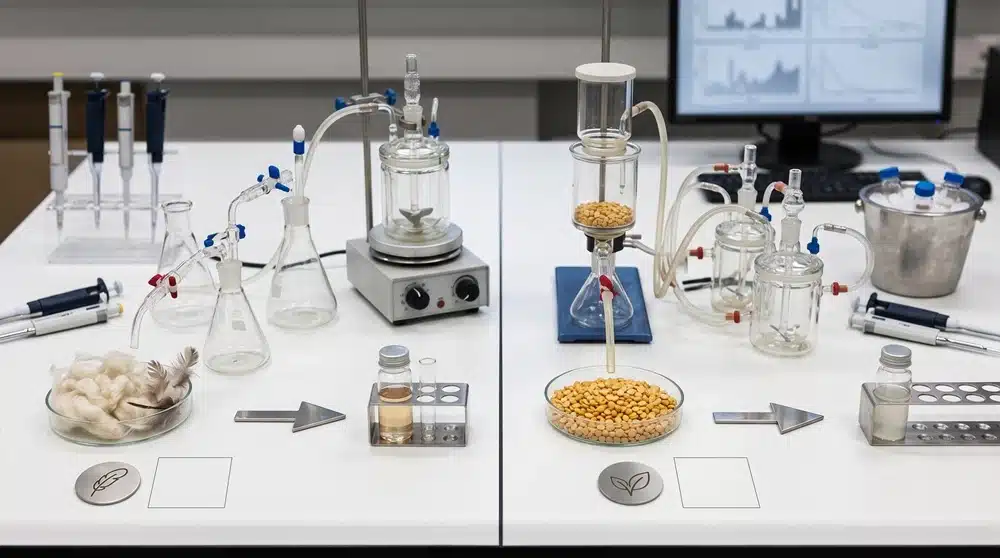
Which Is Better for Hair: Hydrolyzed Keratin or Hydrolyzed Pea Protein?
For a repair-focused formula with animal-derived sourcing acceptable, hydrolyzed keratin has the stronger direct hair-fiber evidence base. Research on hydrolyzed keratin has examined penetration, surface deposition, tensile properties and resistance to specific forms of damage.
For vegan or plant-based positioning, hydrolyzed pea protein is the more natural fit. However, the scientific evidence should be described carefully. In the sources reviewed for this update, direct peer-reviewed hair-fiber studies specific to hydrolyzed pea protein were sparse compared with keratin. That means brands should rely on ingredient-specific technical data and finished-product testing rather than copying strong “repair” claims from keratin research.
How Hydrolyzed Proteins Interact With Hair
Hair fibers are non-living keratinized structures. Cosmetic proteins work by interacting with the fiber rather than changing biological hair growth. Depending on peptide size, charge and formulation conditions, hydrolyzed proteins can adsorb onto damaged areas, form a film, reduce friction, improve feel, or—in some cases—penetrate into portions of the fiber.
For hydrolyzed keratin specifically, peer-reviewed studies have shown that molecular-weight distribution changes where the peptides are located after treatment. This is why a supplier statement such as “low molecular weight” should be supported by an actual specification rather than used as a generic marketing phrase.
Is Hydrolyzed Keratin Vegan?
Traditional hydrolyzed keratin is generally not vegan because commercial keratin is commonly obtained from animal-derived materials such as wool or feathers. A plant-derived hydrolyzed protein can be marketed as a keratin alternative or “vegetable keratin” in some commercial contexts, but it is not the same chemical source as true keratin.
For brand claims, request a source statement and verify the full formula. “Vegan keratin” can be confusing if the ingredient is actually a blend of wheat, soy, corn, pea or other plant proteins. The INCI name and supplier documentation should make the real ingredient identity clear.
Vegetable Keratin vs Animal Keratin: What Does “Vegetable Keratin” Mean?
“Vegetable keratin” is usually a marketing term for plant-derived proteins or amino-acid blends designed to provide keratin-like cosmetic functionality. Plants do not naturally produce the same keratin protein found in animal hair, wool, feathers or nails.
For formulators, the useful comparison is therefore not “real keratin versus plant keratin” but:
- source and claim eligibility;
- amino-acid and peptide profile;
- molecular-weight distribution;
- film formation and substantivity;
- solubility and compatibility with the formula;
- sensory effect on different hair types;
- supplier quality documentation.
Brands considering another plant-derived protein option can also review the related hydrolyzed keratin vs hydrolyzed wheat protein formulation comparison.
Does Hydrolyzed Pea Protein Help Hair Growth?
Do not confuse pea protein with pea sprout extract. Published hair-growth research exists for specific pea sprout extracts, but that evidence cannot automatically be transferred to hydrolyzed pea protein. A shampoo or conditioner containing pea protein hydrolysate should not make hair-growth or hair-loss treatment claims unless the finished product has the required evidence and regulatory status.
For U.S. cosmetics, claims intended to treat hair loss or affect the structure or function of the body can move a product into drug territory. Cosmetic copy should focus on substantiated appearance and conditioning outcomes such as smoother feel, reduced friction, improved manageability, or stronger-feeling hair where the finished-product data support those statements.
Can Hydrolyzed Keratin and Hydrolyzed Pea Protein Be Used Together?
Potentially, yes. A mixed-protein system can combine a keratin-derived repair story with plant-derived protein positioning, but the blend should be evaluated as a formulation rather than assumed to be synergistic.
Key tests include:
- clarity or haze in the finished system;
- pH compatibility;
- viscosity change;
- odor and color;
- protein precipitation;
- wet and dry combing;
- hair-fiber friction;
- breakage or tensile testing where appropriate;
- stability under intended storage conditions.
Which Ingredient Fits Each Hair-Care Product Format?
| Product Format | Hydrolyzed Keratin | Hydrolyzed Pea Protein | Key Development Question |
|---|---|---|---|
| Repair mask | Strong fit for intensive repair positioning | Useful for plant-based support or mixed-protein systems | Does the formula improve breakage, combing or feel versus control? |
| Conditioner | Suitable when deposition and damaged-hair targeting are desired | Suitable for vegan/plant-based conditioning concepts | How does each protein affect slip, stiffness and build-up? |
| Shampoo | Can support protein-conditioning claims in a rinse-off system | Can support plant-protein positioning | Is the protein stable and compatible with the surfactant system? |
| Leave-in | Useful when surface conditioning and film formation are desired | Potential fit for lightweight plant-protein systems | Does repeated use cause stiffness or residue? |
| Beauty supplement | Requires a food/supplement-appropriate keratin hydrolysate and evidence specific to oral use | Pea protein may contribute dietary protein, but hair claims require appropriate evidence | Do not transfer topical evidence to oral products or vice versa |
B2B Quality Specifications to Request
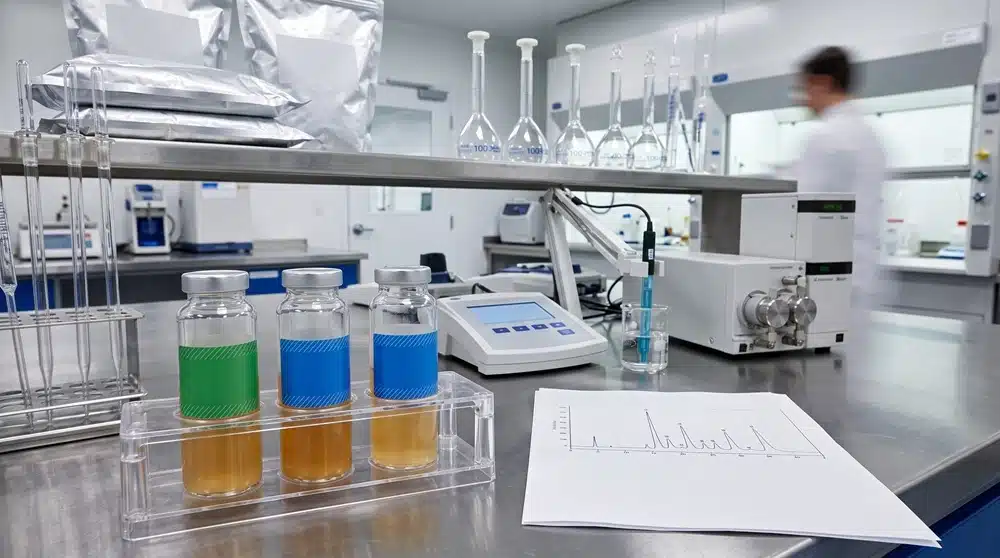
For either ingredient, a marketing brochure is not enough. Request a specification package that answers the following:
- Source: wool, feather or other keratin source; pea species/raw-material origin for pea protein.
- Hydrolysis process: enzymatic, acid, alkaline or other method.
- Molecular-weight distribution: average and range, with the test method if available.
- Protein/peptide content: define the analytical method and acceptance range.
- Amino-acid profile: particularly useful for keratin positioning and batch consistency.
- Physical properties: appearance, odor, color, pH, solubility and bulk density where relevant.
- Contaminants: heavy metals, microbiology and residual processing chemicals appropriate to the grade.
- Source/claim documents: vegan statement where applicable, allergen statement, GMO statement, origin and traceability.
- Cosmetic documentation: INCI name, recommended use level, preservative/carrier details for liquid grades, and compatibility guidance.
- Supplement documentation: only when the grade is intended for ingestion; review food/supplement compliance separately from cosmetic use.
Safety and Claim Considerations
Hydrolyzed proteins are widely used as conditioning ingredients, but sensitization or intolerance can occur with protein-derived materials in some individuals. The finished-product safety assessment should consider source, peptide-size distribution, impurities, concentration, product format and exposure.
Do not equate hydrolyzed keratin with a salon “keratin treatment.” Salon smoothing systems may contain additional reactive chemistry; hydrolyzed keratin itself is a protein-derived ingredient and should be evaluated separately from the complete treatment formula.
For U.S. marketing, cosmetic claims must be truthful and not misleading. Avoid claims that a cosmetic protein ingredient regenerates follicles, reverses hair loss, permanently heals split ends, or biologically rebuilds hair unless the product is regulated and substantiated for that intended use.
FAQ
Is hydrolyzed pea protein good for hair?
Hydrolyzed pea protein can be used as a plant-derived hair-conditioning protein when the ingredient grade is designed for cosmetic use. Its performance depends on hydrolysis degree, peptide size, formulation and finished-product testing. Direct peer-reviewed hair-fiber evidence is more limited than for hydrolyzed keratin.
Is pea protein good for hair?
For topical hair care, the relevant ingredient is usually a cosmetic-grade hydrolyzed pea protein rather than ordinary nutritional pea protein isolate. Food-grade protein data should not be used as direct proof of topical hair performance.
Is hydrolyzed keratin good for hair?
Hydrolyzed keratin has peer-reviewed evidence showing surface deposition, peptide penetration and changes in mechanical properties under specific test conditions. Results depend strongly on molecular weight, formulation and hair-damage model.
Is hydrolyzed keratin vegan?
Usually no. Traditional hydrolyzed keratin is generally sourced from animal keratin such as wool or feathers. Plant proteins sold as “vegetable keratin” are alternatives, not the same source protein.
What is the difference between keratin and protein?
Keratin is a specific family of structural proteins. “Protein” is a broad category that includes keratin, pea protein, wheat protein, soy protein and many others. Hydrolyzed keratin is therefore a protein-derived ingredient, but not all proteins are keratin.
What is the difference between hydrolyzed pea protein and pea protein isolate?
Hydrolyzed pea protein has undergone an additional hydrolysis step that breaks proteins into smaller peptides. Pea protein isolate is primarily produced to concentrate dietary protein and may not have the same molecular profile or cosmetic functionality.
Can hydrolyzed pea protein replace keratin in a vegan hair product?
It can serve as a plant-derived protein alternative, but it should not be described as chemically identical to keratin. Validate the finished formula for conditioning performance, sensory feel and claims before using it as a replacement.
References
- Penetration of different molecular weight hydrolysed keratins into hair fibres and their effects on the physical properties of textured hair
- Performance and Mechanism of Hydrolyzed Keratin for Hair Photoaging Prevention
- Feather keratin hydrolysates obtained from microbial keratinases: effect on hair fiber
- Biotechnology of functional proteins and peptides for hair cosmetic formulations
- Transparent silicone-free shampoo containing proteins with strong hair conditioning properties
- FDA: Cosmetics Labeling Claims
- European Commission: CosIng glossary of common cosmetic ingredient names
Warren Wan is a seasoned expert with extensive experience in the dietary supplement supply chain, possessing rich practical experience in the research, development, process control, and global sourcing of core ingredients such as collagen peptides, bone broth protein, and keratin. As the author of this column, he is dedicated to stripping away the marketing packaging, transforming obscure ingredient science and production quality control standards into easy-to-understand, hardcore science popularization, helping readers understand the truth behind the labels and make more rational health choices.