
Bulk egg-derived nutraceutical ingredient
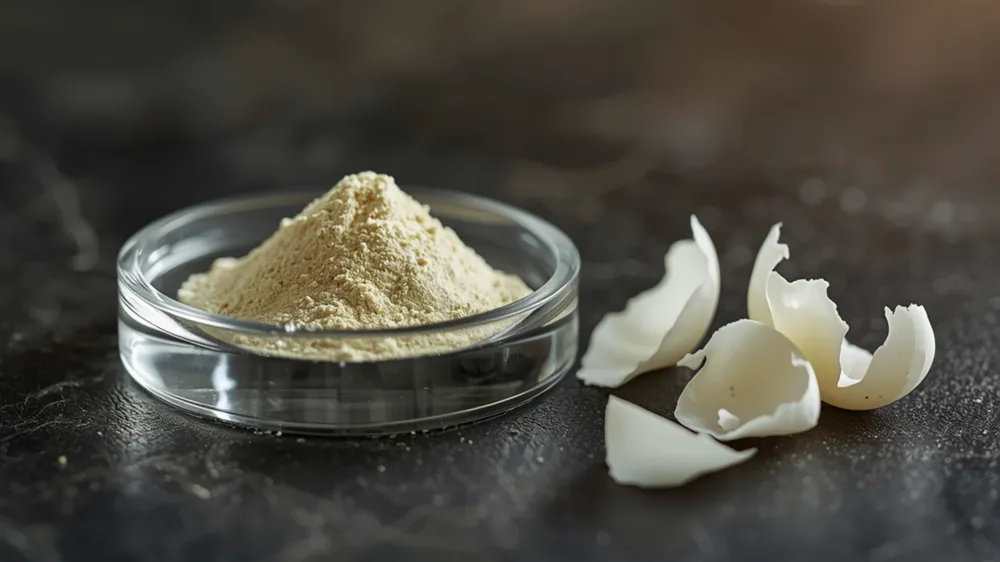
Chicken Eggshell Membrane Powder for Supplement Formulations
Source a chicken-derived membrane matrix containing measured protein, glycosaminoglycans and hyaluronic acid for joint health, beauty nutrition, active-aging and pet supplement development.
- Chicken membrane origin
- 82.3% protein
- 15.2% glycosaminoglycan
- 4.3% hyaluronic acid
- Egg-derived ingredient
Batch 20251028
result
acid result
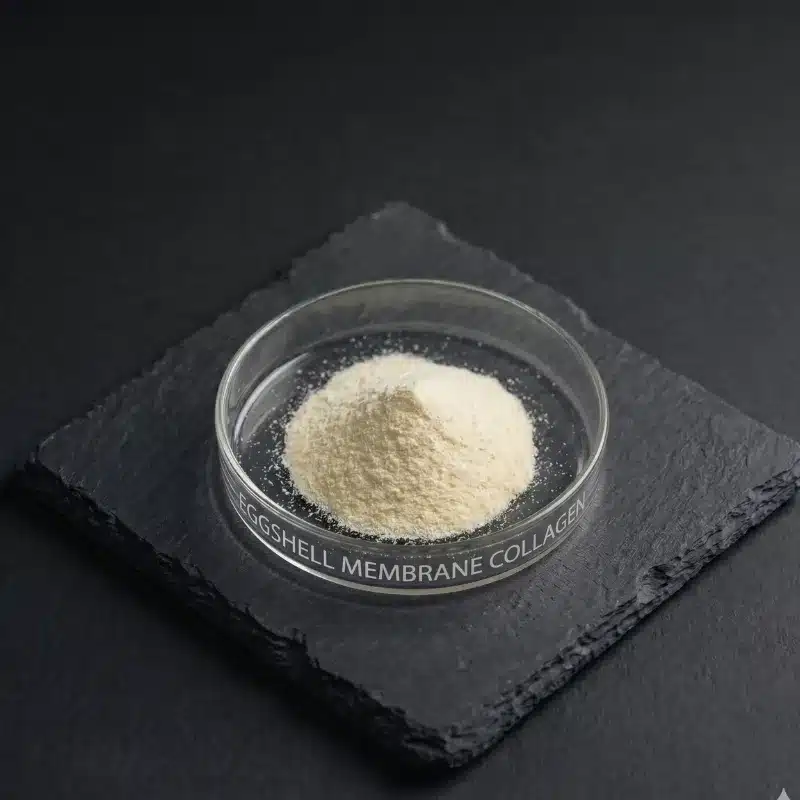
Product identity
A chicken membrane matrix for technical qualification - not a generic collagen peptide
The signed reference certificate names the product Eggshell Membrane Collagen and records Chicken Membrane as the origin. It reports protein, glycosaminoglycan and hyaluronic acid, but does not print a collagen assay, collagen type, calcium result, residual-shell test, hydrolysis statement or solubility result.
Assay interpretation
Use the batch results without overstating what each test proves
Protein, total GAG and hyaluronic acid are separate reported test items. The supplied certificate does not clarify whether the HA result is included within the total GAG value, so the numbers should not automatically be added together.
Kjeldahl total-protein result. It should not be rewritten as 82.3% collagen without a separate collagen assay.
Reported by HPLC. Request the assay definition and whether hyaluronic acid is included within the total.
Reported using the carbazole method. Confirm dry-basis interpretation and overlap with the GAG result.
| Test item | Standard | Reference result | Method |
|---|---|---|---|
| Appearance | Off-white to light yellow powder | Pass | Visual Testing |
| Odor | Characteristic | Characteristic | Sensual Testing |
| Protein | ≥80.0% | 82.3% | Kjeldahl method |
| Glycosaminoglycan | ≥2.0% | 15.2% | HPLC |
| Hyaluronic Acid | ≥2.0% | 4.3% | Carbazole |
| Ash | ≤10.0% | 7.5% | USP 281 |
| Loss on Drying | ≤10.0% | 7.86% | USP 731 |
| pH | 4.0-7.5 | 5.8 | USP 791 |
| Fat | ≤2.0% | Pass | AOAC |
| Bulk Density | 0.3-0.5 g/ml | 0.46 | USP 616 |
| Heavy Metal | ≤10 PPM | Pass | AOAC |
| Particle Size | 100% through 60 mesh | Pass | Through Sieving |
| Total Bacteria Count | ≤3,000 CFU/g | <3000 | GB 4789.2 |
| Yeast & Mold | ≤300 CFU/g | <300 | GB 4789.15 - Method I |
| Salmonella | Negative | Negative | GB 4789.4 |
| Staphylococcus aureus | Negative | Negative | GB 4789.4 |
Formulation applications
Evaluate the ingredient in the actual finished format
The COA provides particle size, density, pH, moisture and sensory information. It does not provide solubility, flowability, compression or stability results, so those characteristics require formulation and pilot testing.
Joint Health & Mobility
For multi-component joint formulas using an egg-derived protein and matrix ingredient.
- Target daily dose
- Supporting ingredient compatibility
- Finished-product claim review
Capsules & Tablets
The 0.46 g/ml reference density and 60-mesh specification support initial fill and dose calculations.
- Flowability testing
- Capsule fill calculation
- Compression feasibility
Powders & Sachets
For powder systems requiring sensory masking, dispersion, blend uniformity and serving-size review.
- Dispersibility and sediment
- Characteristic odor
- Blend uniformity
Gummies & Soft Chews
For gummy and chew projects requiring evaluation under the intended pH, heating, moisture and gel conditions.
- Texture interaction
- Heat and pH review
- Finished-product stability
Beauty from Within
For skin, hair and healthy-aging concepts combining the matrix with vitamins, minerals or other beauty ingredients.
- Ingredient-story positioning
- Allergen label review
- Finished-dose planning
Pet Mobility Products
For pet powders, tablets and soft chews requiring palatability and destination-market review.
- Palatability testing
- Chew and powder feasibility
- Pet-market documentation
Source, quality and traceability
Connect the membrane source, separation process and batch release
Procurement teams need more than a certificate logo. The supplier file should explain the chicken membrane source, whether shell is fully separated, any hydrolysis step, allergen controls and the tests used to release each batch.
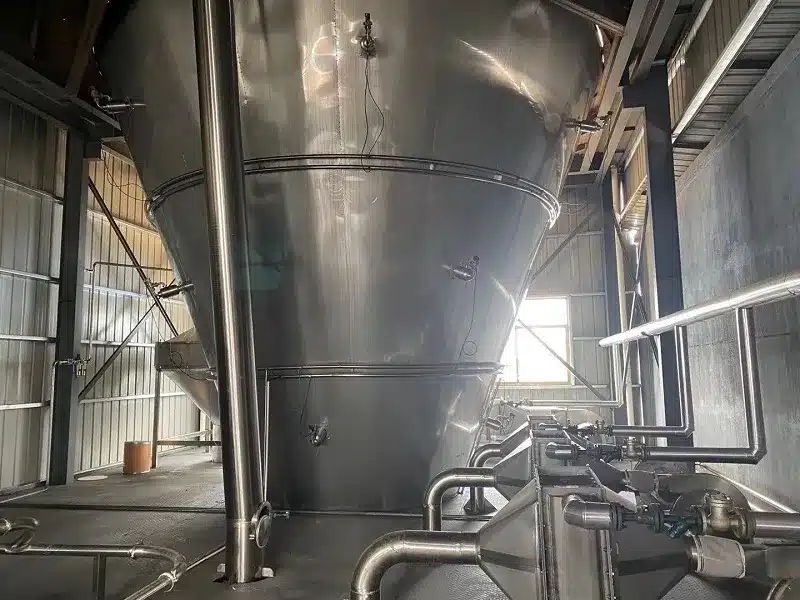
Separation and Processing Review
Document raw-material sourcing, membrane separation, cleaning, any hydrolysis or extraction, drying and sieving for the approved commercial grade.
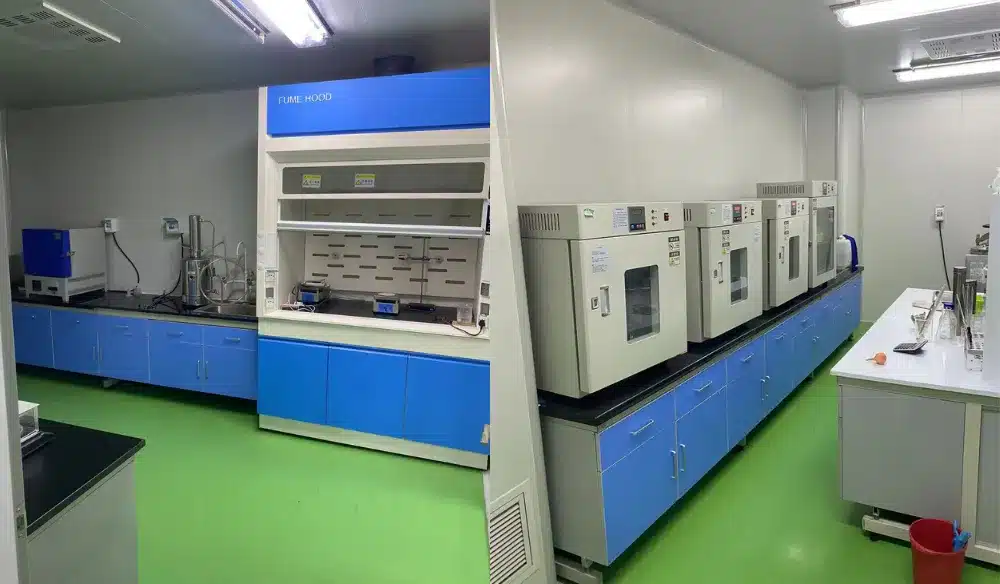
In-House QA Laboratory
Link batch release to protein, GAG, HA, ash, moisture, density, particle size, heavy metals and microbiological limits.
Egg Source & Allergen Review
Confirm source species, food-chain traceability, egg-allergen documentation and cross-contact controls.
Membrane Identity Review
Confirm whether the grade is separated membrane, contains residual shell, is hydrolyzed and has a defined solubility profile.
Batch COA Release
Release against the approved composition, physical-property, heavy-metal and microbiological specification.
Related collagen and matrix ingredients
Route buyers by raw-material source and formulation objective
Keep egg-membrane requirements on this page and direct other collagen-source needs to their dedicated product pages.
Eggshell Membrane Powder
Protein, glycosaminoglycan and hyaluronic acid reported on one reference COA.
Current productCollagen Type II Matrix
A chicken-cartilage matrix containing protein, chondroitin sulfate and hyaluronic acid.
View Collagen Type IIBovine Collagen Type I & III
Hydrolyzed bovine collagen peptides for daily collagen and beauty formulations.
View Bovine CollagenMarine Collagen Peptides
Marine-source collagen peptides for beauty powders, drinks and source-specific positioning.
View Marine CollagenDocumentation and procurement
Prepare procurement, quality and regulatory review before ordering
Confirm which documents are available for the current batch, intended market and final product format.
B2B frequently asked questions
Questions from eggshell membrane buyers, R&D and quality teams
The answers distinguish facts printed on the reference COA from points requiring separate documentation.
The COA identifies Chicken Membrane as the origin, but it does not report residual shell, calcium or a membrane-purity assay. Request the separation-process statement and additional mineral testing when required.
No. The test item is Protein and the method is Kjeldahl. An exact collagen percentage or collagen-type statement requires a separate collagen assay.
The supplied COA does not clarify whether HA is included within total glycosaminoglycan. Request the assay definitions before combining or comparing the numbers.
Hydrolysis and solubility are not stated on the reference COA. Request the process statement and evaluate dispersion, sediment and clarity in the intended finished formula.
The reference COA records a 2,000 kg batch quantity but does not print commercial packaging. Confirm pack size, MOQ, sample quantity, current stock, lead time and freight terms in the quotation.
Yes. Available pathways include capsules, tablets, powders, gummies, pet supplements, joint-health products, beauty supplements and custom formulation.
Start a technical sourcing discussion
Request a current COA, sample or bulk quotation
Share your finished format, target market, estimated quantity and documentation requirements so the team can confirm the correct eggshell membrane grade and supply pathway.
- Current batch COA and specification review
- Egg-allergen and source-document discussion
- Formulation sample coordination
- Packaging, MOQ, lead time and freight confirmation